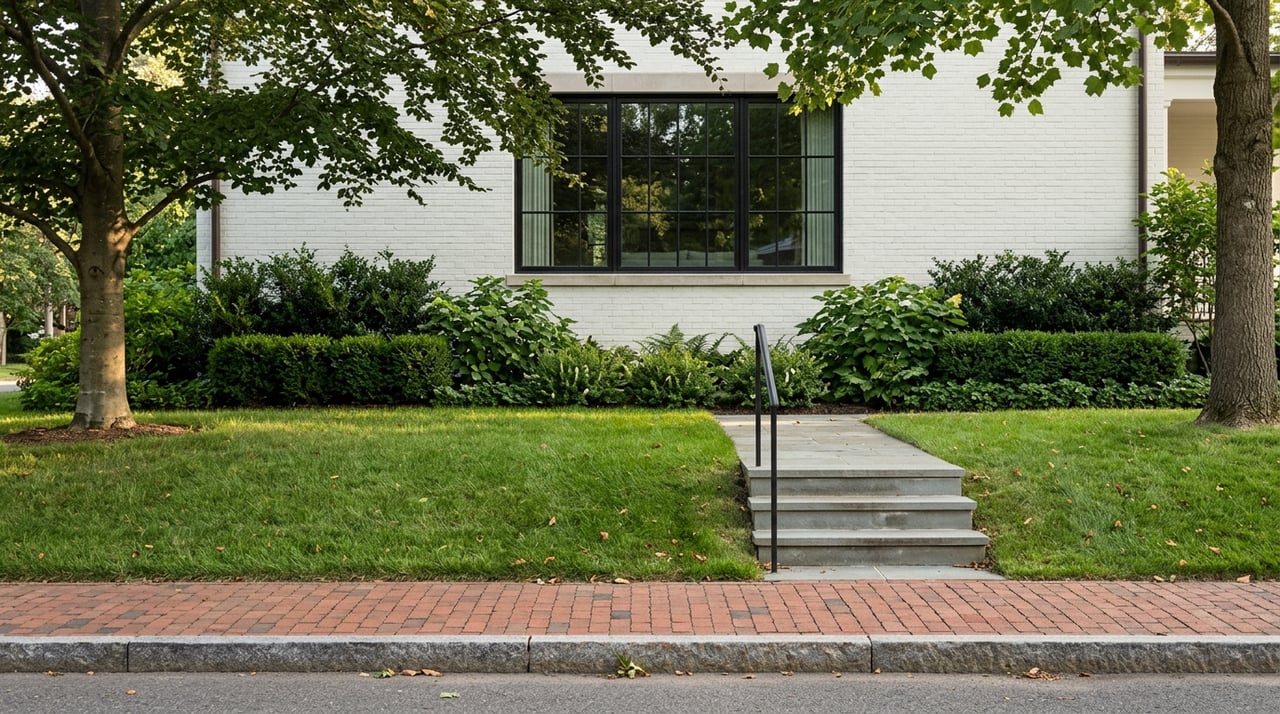
Looking for a part of Washington, DC that feels a little calmer, greener, and more tucked away? Palisades stands out for exactly that reason. If you want a neighborhood with residential streets, access to the Potomac, and a compact main street that supports daily life, this guide will help you understand what living there is really like. Let’s dive in.
Palisades has a quieter DC feel
Palisades sits in Northwest Washington along the Potomac River, roughly between Key Bridge and Chain Bridge. The setting is shaped by high bluffs, wooded terrain, and a residential pattern that feels more suburban than many other parts of the city.
That character is part of what makes the neighborhood distinct. Planning and neighborhood sources describe Palisades as village-like, with a more single-family-home-oriented pattern and a quieter feel than denser, rowhouse-heavy areas of DC.
The setting feels scenic and residential
One of the first things you notice about Palisades is how much the landscape contributes to daily life. The neighborhood’s terrain, tree cover, and river-edge location give it a sense of retreat that is unusual within the District.
Historic documentation even notes a lingering summer-resort feeling in Palisades. That does not mean it feels remote. It means you get a softer, more relaxed backdrop while still living in Washington.
Homes in Palisades have variety
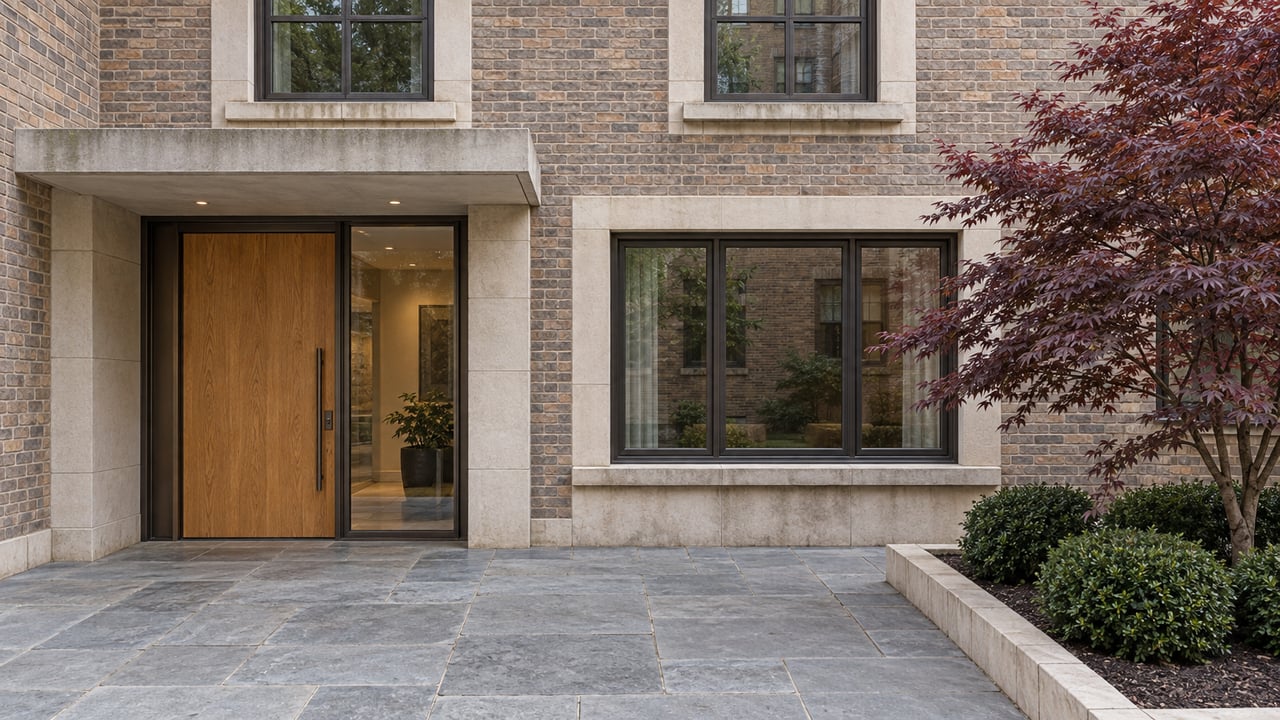
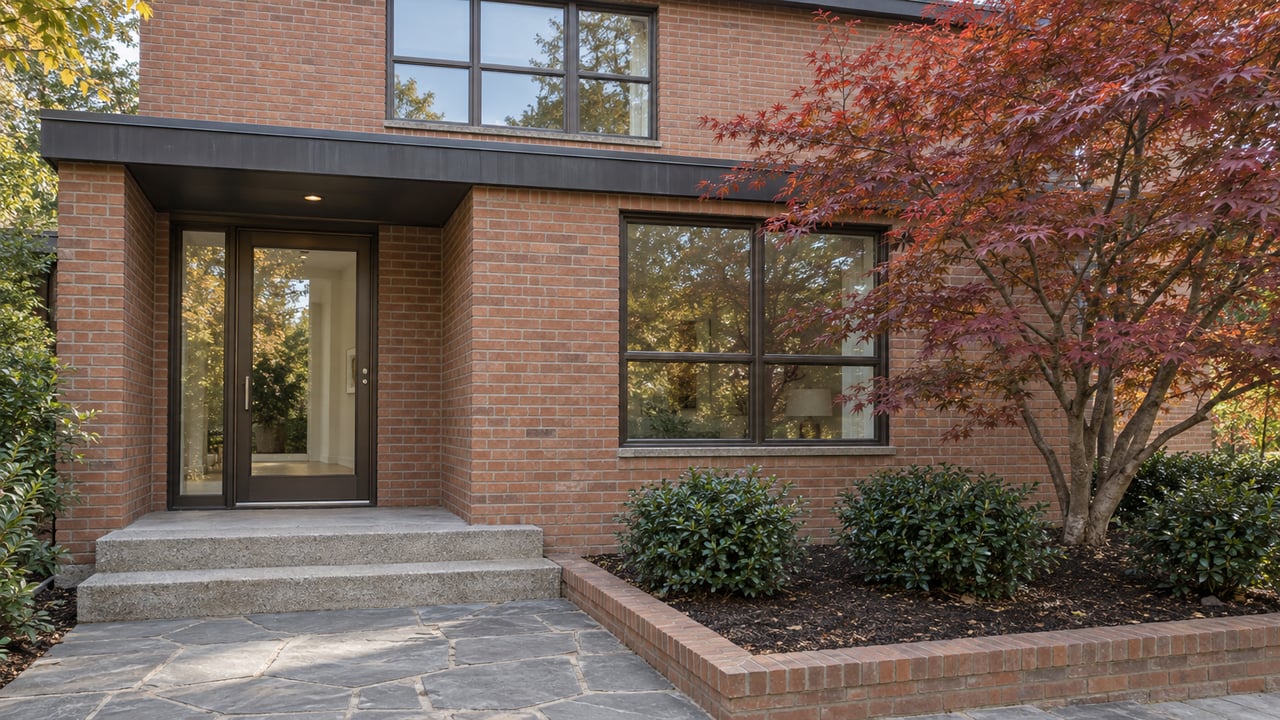
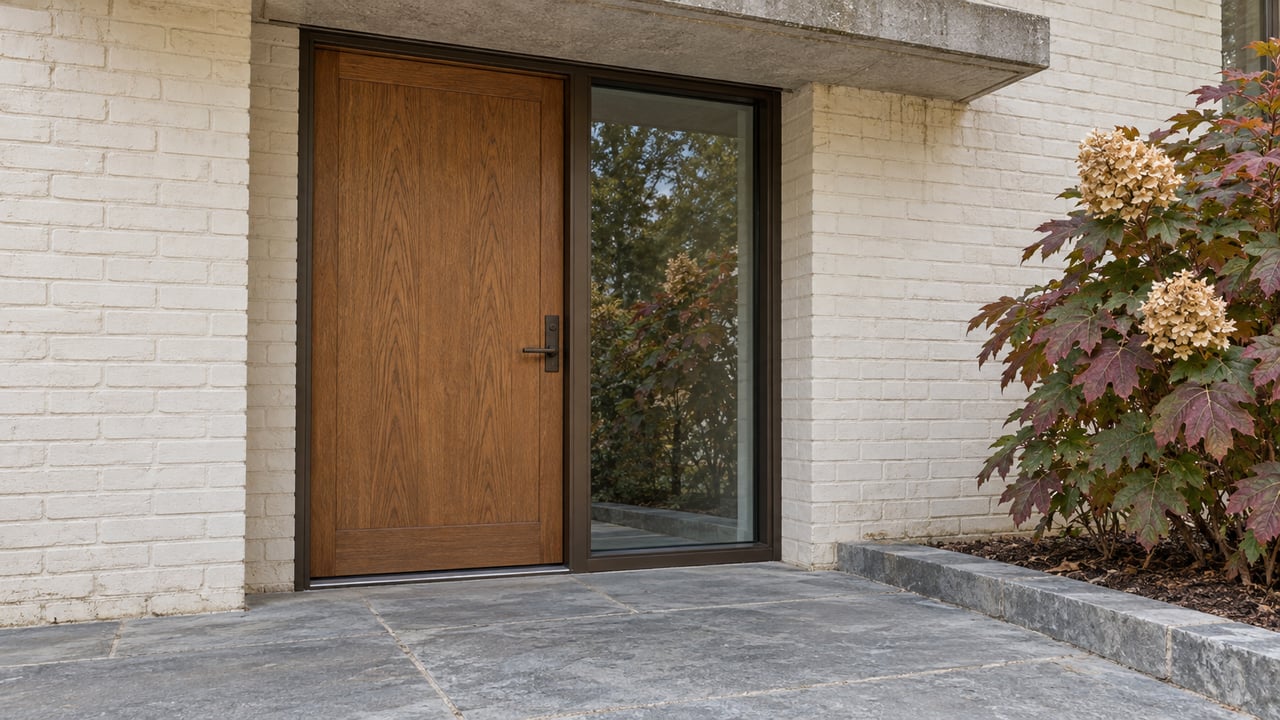
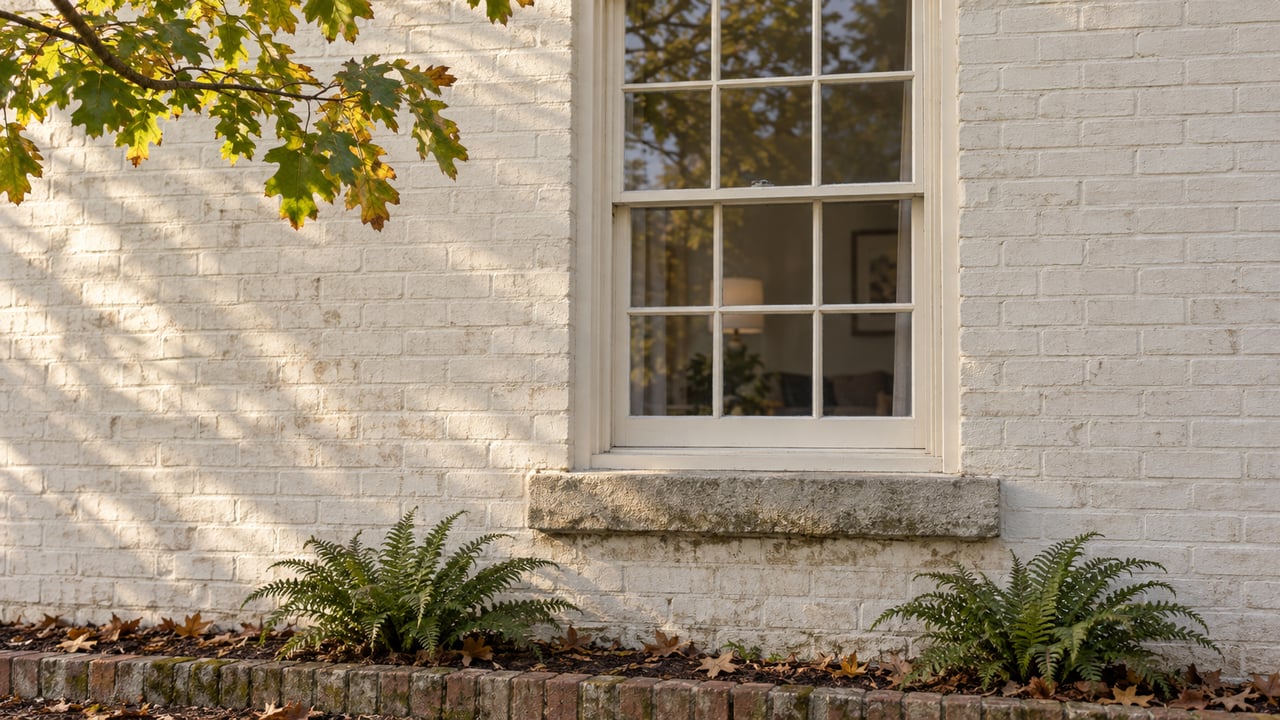
If you are expecting one uniform housing style, Palisades may surprise you. The neighborhood includes a mix of late Victorian houses, Craftsman bungalows, Colonial Revival residences, modest wood-frame homes, and some later infill.
That range gives the area visual depth. You can see older architectural layers alongside newer updates, while much of the historic character remains intact.
Detached homes shape the streetscape
A defining part of life in Palisades is the prevalence of detached single-family homes. A 2022 Main Street analysis describes the neighborhood as relatively low-density and made up primarily of detached homes, with only a few low-rise apartment buildings along MacArthur Boulevard.
For many buyers, that translates into a more open streetscape and a less compressed feeling than you find in more urbanized parts of DC. It also helps explain why the neighborhood often feels more like a small residential enclave than a high-traffic city district.
Lots often feel generous by DC standards
Palisades is also known for lot character. Historic records describe homes that are slightly set back from the street, often with small front yards and deeper rear yards.
That layout matters in everyday life. It shapes how homes sit on their lots, how light reaches interiors, and how outdoor space can function for gardening, entertaining, or simply enjoying a bit more breathing room.
MacArthur Boulevard anchors daily life
MacArthur Boulevard is the neighborhood’s commercial spine. It runs through the center of local activity and contains the corridor’s main retail clusters, especially around the 4800 and 5100 blocks.
What makes it appealing is its scale. This is primarily a local-serving corridor, with a business mix centered more on services and food-and-beverage uses than on large-format retail.
Dining is local and established
Palisades is not trying to be a regional shopping or nightlife destination. Instead, it offers a more grounded neighborhood rhythm, where familiar places become part of your weekly routine.
Current dining anchors include BlackSalt Fish Market & Restaurant and Et Voila, both located on MacArthur Boulevard. Their presence reinforces the corridor’s role as a true neighborhood main street rather than a pass-through strip.
The neighborhood has a small-town rhythm
That village quality is not just about architecture or land use. It also shows up in how residents use the neighborhood and participate in community traditions.
Community sources describe Palisades as having a small-town feel within DC. Residents help maintain flower beds in the MacArthur median, and the annual July 4 parade has been a neighborhood tradition for more than 55 years.
Outdoor access is a major lifestyle perk
For many residents, one of the biggest advantages of Palisades is how easy it is to get outside. The neighborhood connects daily life to parks, trails, and the Potomac in a way that feels unusually seamless for city living.
If your ideal routine includes walks, bike rides, river views, or time in green space, Palisades offers strong everyday access to all of the above.
Battery Kemble Park adds trails and views
Battery Kemble Park is one of the neighborhood’s defining outdoor spaces. The National Park Service identifies it as a Civil War fort site with a trailhead and scenic views.
For residents, it functions as more than a historic location. It is one of those nearby places that can quickly become part of your regular routine, whether you want a short walk, time outdoors, or a scenic change of pace.
The Potomac trail network is close at hand
Palisades also connects easily to the broader Potomac trail system. The Potomac Heritage National Scenic Trail network links history, recreation, nature, and conservation, and the C&O Canal Towpath serves as a major spine for biking, hiking, fishing, birding, and paddling.
That access gives the neighborhood a lifestyle advantage that is hard to overstate. You are not just near green space. You are near a larger recreational network that supports many different ways to spend your time.
River recreation is part of the draw
Fletcher’s Boathouse is another nearby asset between Chain Bridge and Key Bridge. Community sources note that it offers bike, canoe, row boat, and kayak rentals on the Potomac River and within the C&O Canal National Historical Park area.
That adds another layer to life in Palisades. For some residents, it becomes an occasional weekend activity. For others, it is part of what makes the neighborhood feel tied to the river in a real and usable way.
Everyday amenities support long-term living
Palisades is not only about scenery and housing character. It also has the repeated-use amenities that make a neighborhood practical over time.
That matters if you are thinking beyond first impressions. The places you use every week often shape your experience of a neighborhood more than the places you visit once in a while.
Recreation and library spaces are well used
The Palisades Recreation Center is a neighborhood hub with soccer and softball fields, tennis courts, a playground and splash park, basketball courts, and skating ramps. It also offers after-school programming, summer camp, and classes.
The Palisades Library at 4901 V Street NW adds meeting rooms, study rooms, computers, WiFi, and regular events for children, adults, and seniors. Together, these spaces help support a neighborhood routine that feels active, practical, and connected.
The farmers market adds weekly rhythm
A strong marker of neighborhood life is the year-round Sunday farmers market at 48th Place NW and MacArthur Boulevard. It offers seasonal produce, flowers, meats, eggs, breads, cheeses, pasta, and prepared foods.
For many residents, that kind of market becomes part of the weekly pattern. It gives the neighborhood a reliable gathering point and reinforces the local-serving character that defines Palisades.
Who tends to love living in Palisades
Palisades often appeals to buyers who want a quieter, more residential version of DC without giving up access to the city. If you value detached homes, mature landscaping, outdoor recreation, and a main street that supports everyday needs, the neighborhood has a strong case.
It can also be especially compelling if you notice details in site placement, lot depth, and architectural variety. Palisades is not about density or spectacle. Its appeal is more measured, rooted in setting, streetscape, and livability.
Why Palisades stands out in DC
What makes Palisades different is the combination of elements, not any single feature on its own. River-edge scenery, detached-home streets, local businesses on MacArthur Boulevard, and repeated-use neighborhood amenities all work together to create its identity.
In practical terms, living here can feel more village-like than urban, while still keeping you within Washington, DC. If that balance sounds appealing, Palisades is well worth a closer look.
If you are considering a move to Palisades or want advice on how to evaluate its homes, streets, and architectural character, Theo Adamstein offers a design-informed, highly tailored approach to buying and selling in Washington.
FAQs
What is the overall feel of living in Palisades, DC?
- Palisades is widely described as a quieter, village-like part of Northwest DC with wooded terrain, detached homes, and a more residential feel than denser parts of the city.
What types of homes are common in Palisades, Washington, DC?
- The housing stock is mixed and includes late Victorian houses, Craftsman bungalows, Colonial Revival residences, modest wood-frame homes, and some newer infill.
What is MacArthur Boulevard like in Palisades?
- MacArthur Boulevard is the neighborhood’s main commercial corridor, with local-serving businesses, dining, and services that support everyday routines rather than large-scale retail activity.
What outdoor amenities are near Palisades, DC?
- Residents have access to Battery Kemble Park, the Potomac Heritage trail network, the C&O Canal Towpath, and nearby river recreation at Fletcher’s Boathouse.
Does Palisades have community amenities for everyday use?
- Yes. The neighborhood includes the Palisades Recreation Center, the Palisades Library, and a year-round Sunday farmers market that many residents use regularly.