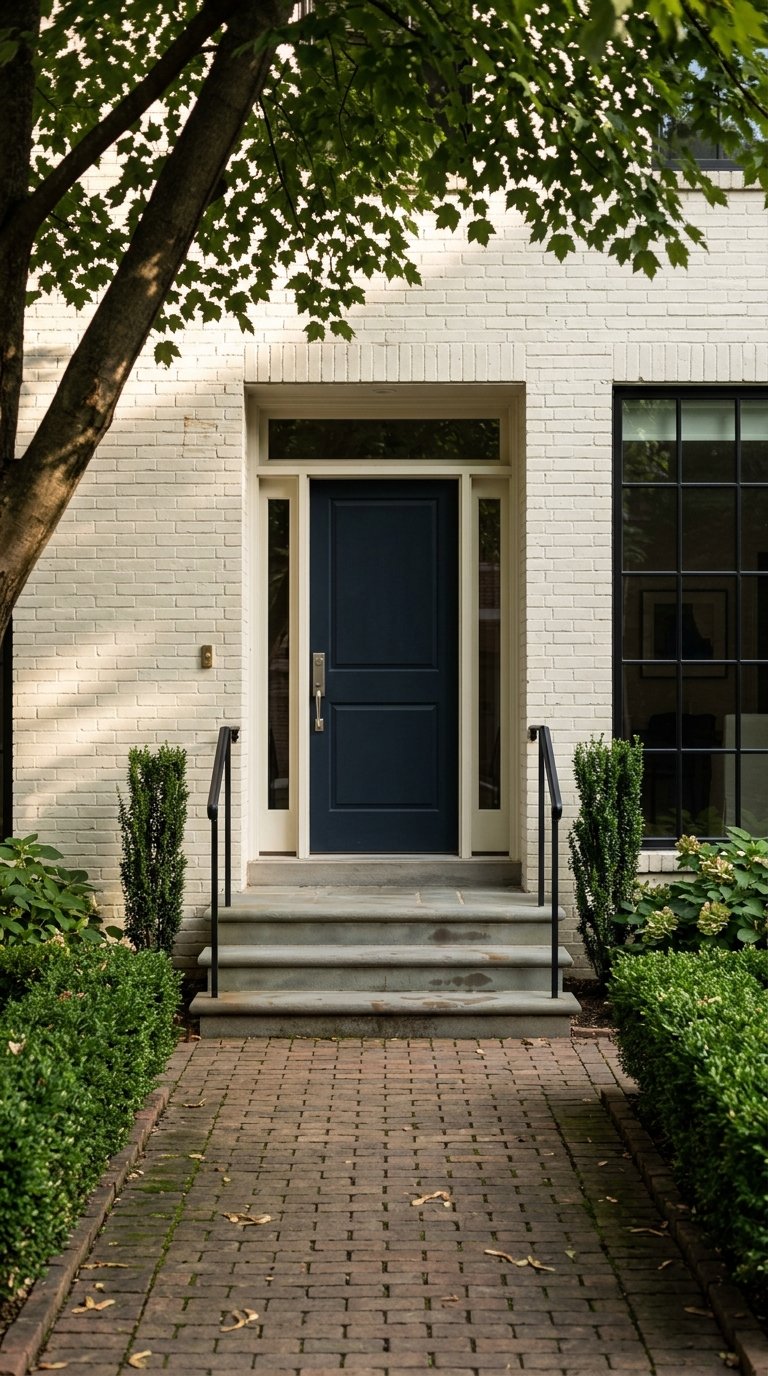
Choosing between a condo and a townhome in Arlington’s urban hubs is not just about square footage. In Clarendon, Ballston, and Rosslyn, the right fit often comes down to how you want to live day to day, how much maintenance you want to manage, and how much control you want over your space. If you are weighing both options, this guide will help you understand the real differences so you can make a smarter decision with confidence. Let’s dive in.
Why Arlington’s urban hubs stand apart
Clarendon, Ballston, and Rosslyn are not typical suburban comparisons. Arlington County has long focused growth in key corridors through smart-growth and urban-design planning, and the Rosslyn-Ballston corridor is one of the County’s primary planning areas.
That planning shows up in how these places function. Clarendon is known for its walkable layout, mix of shops and restaurants, office buildings, open space, public art, and tree-lined streets. Ballston is a dense mixed-use district with about 260 acres of commercial, office, and residential land, while Rosslyn serves as a gateway to Arlington with a broad mix of residences, office space, parks, and restaurants.
Transit is a major part of the appeal. Clarendon and Ballston sit on the Orange and Silver lines, while Rosslyn adds Blue Line service as well. Arlington Transit also connects neighborhoods to Metrorail and VRE, which helps explain why many buyers here prioritize walkability, flexibility, and a lower-car lifestyle.
That matters even more today because Arlington’s 2025 profile shows that 31% of residents age 16 and over work from home, and about one-third of households are two-person households. In other words, compact living can work very well here, but only when the layout and ownership model match how you actually live.
Condo vs. townhome ownership
The biggest difference between a condo and a townhome is not the front door style or the number of levels. It is the ownership structure.
In a condominium, you own your unit and a share of the common elements. Under Virginia law, each unit is separately assessed as its own parcel of real estate, and the unit owners’ association is generally responsible for common elements while you are responsible for your unit itself unless the issue begins in the common elements.
In a townhouse-style property owners’ association, you generally own the lot itself, while the association manages the common areas. Virginia’s Property Owners’ Association Act applies to developments with lots and common areas, and it gives lot owners rights tied to their separate ownership interest or exclusive possession.
The practical point is simple: neither option is truly HOA-free. The real question is what the association owns, what it maintains, and what it budgets for over time.
What associations handle in each case
In a condo, the association’s role is often broader because the building has shared systems and common elements. Virginia condominium law requires an annual budget and, unless the governing documents say otherwise, a reserve study at least once every five years.
In a townhome community, the association also collects assessments and maintains records, but the scope is often more focused on common areas rather than the full building envelope. Virginia law also allows these associations to levy additional assessments for upkeep and capital components, which is why reviewing the documents is so important before you buy.
If you are comparing listings, it helps to look beyond the monthly fee. The declaration, bylaws, budget, reserve information, and any signs of upcoming projects can tell you much more about long-term costs and day-to-day expectations.
Lifestyle differences that matter most
Once you understand the legal structure, the lifestyle tradeoffs become easier to see. In Arlington’s urban core, condos and townhomes often support very different routines.
Privacy and circulation
A condo usually involves more shared hallways, elevators, lobbies, and building systems. That can be convenient, especially in a full-service or amenity-rich building, but it also means a more shared daily experience.
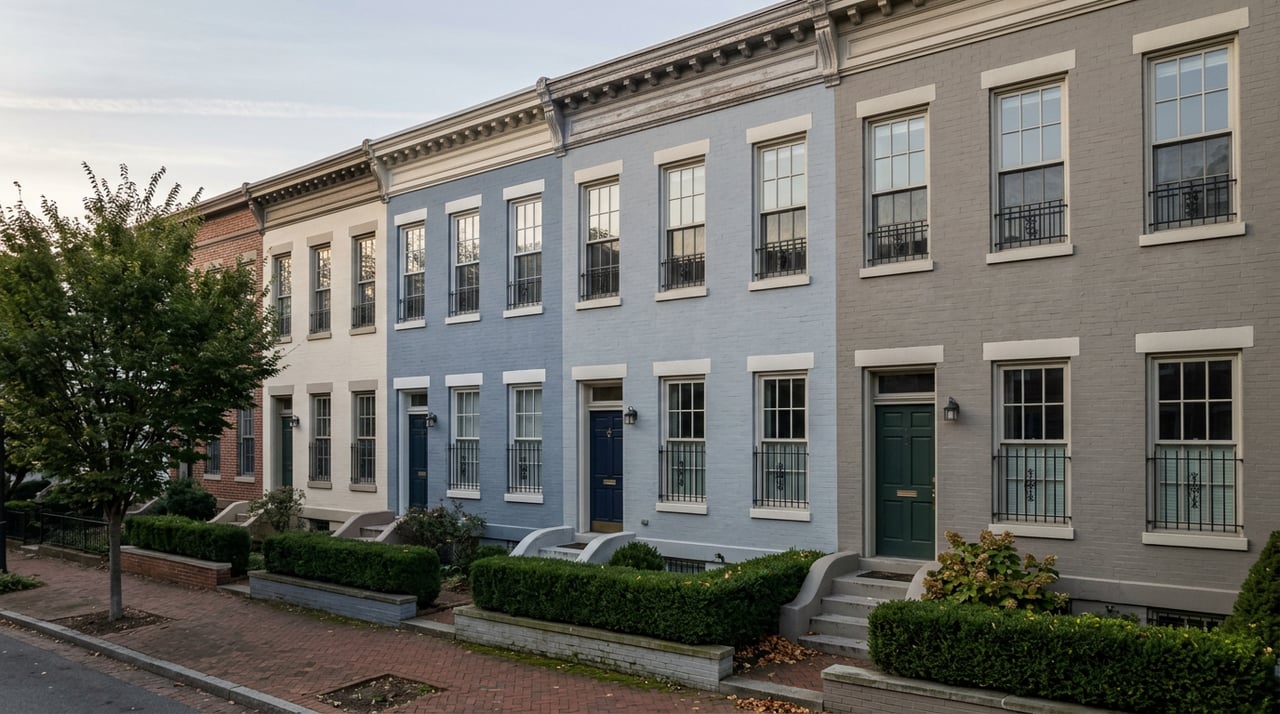
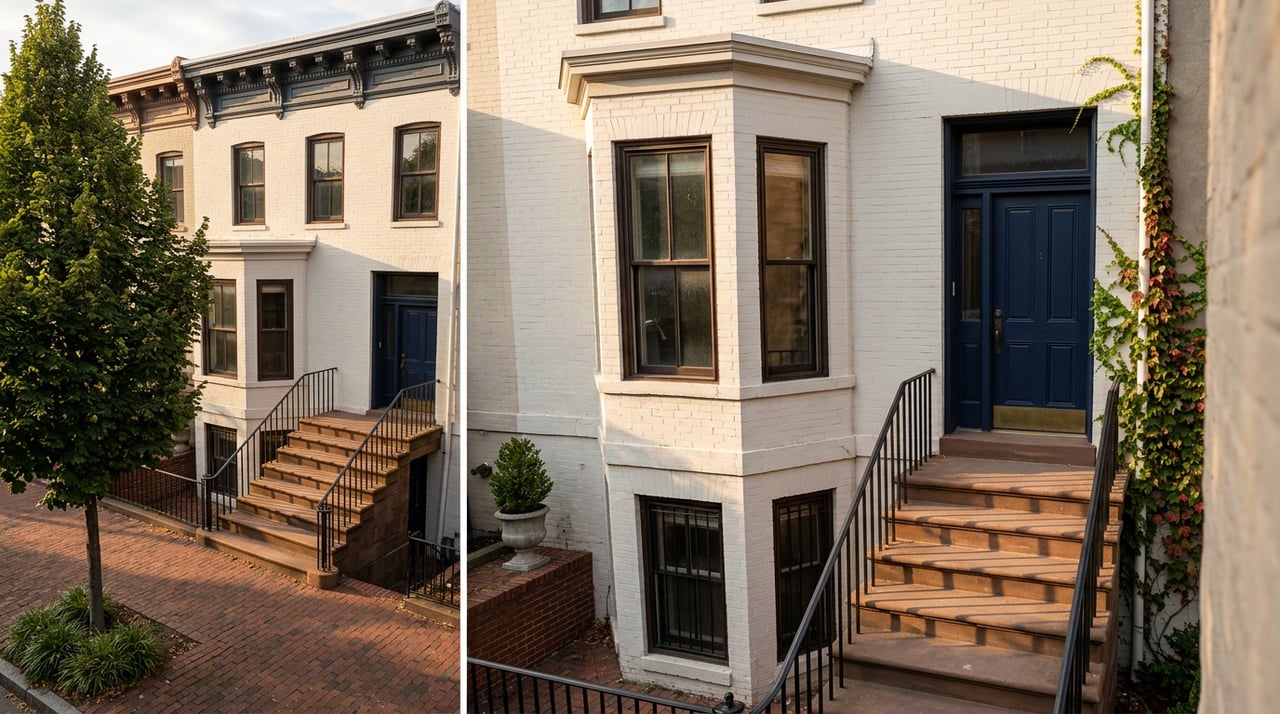
A townhome usually feels more direct and more house-like. You often enter from the street or a private entry sequence, and the experience can feel more self-contained even within a dense urban setting.
Outdoor space and control
Outdoor space in a condo can be limited and more regulated. Under Virginia condominium rules, some outdoor areas may be assigned as limited common elements with exclusive-use rights, which means you may have use of the space without owning it in the same way you own the interior of your unit.
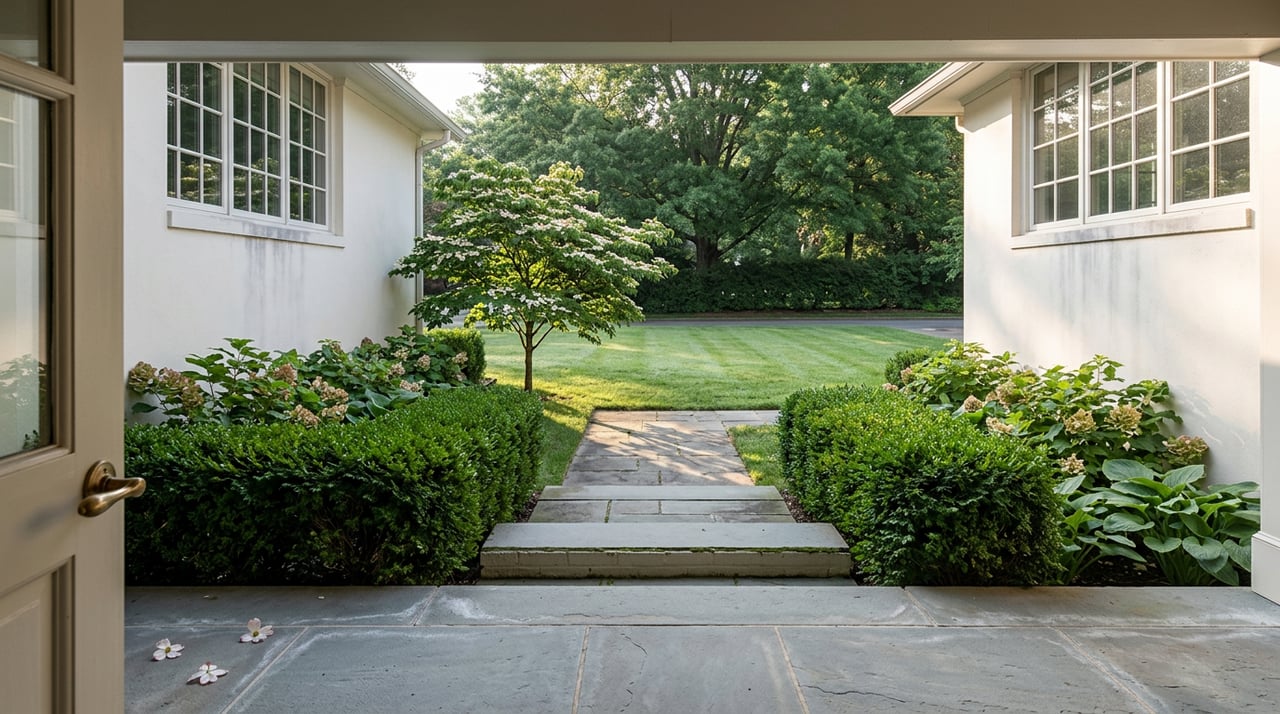
Townhomes often offer more direct control over outdoor space within the lot and HOA rules. If a terrace, small yard, or stronger indoor-outdoor connection is high on your list, this can be a meaningful advantage.
Amenities and convenience
Large condo buildings often offer stronger amenity packages, especially in dense nodes like Rosslyn and Ballston where high-rise residential buildings are part of the urban fabric. Depending on the building, that may mean a staffed lobby, fitness room, shared roof deck, or other conveniences that support a lock-and-leave lifestyle.
Townhomes usually trade those shared-building amenities for more privacy and fewer shared vertical systems. If you care less about building amenities and more about separation of space, that tradeoff may feel worthwhile.
Renovation flexibility
Many buyers assume a townhome automatically allows more design freedom, but the reality is more layered. Arlington notes that some kitchen and bath updates that keep fixtures or non-gas appliances in the same location may not require a permit, while exterior changes such as deck modifications or window wells are treated differently.
If a property sits in a local historic district, exterior alterations, new construction, and demolition require a Certificate of Appropriateness. Condos add another layer because changes involving common elements are also governed by the condominium documents and association rules.
For design-focused buyers, this is where careful review matters. The right property is not only about style today, but also about what you may want to improve later.
Which option fits your lifestyle
In Clarendon, Ballston, and Rosslyn, the best choice usually comes down to your daily priorities rather than a simple price-per-square-foot comparison.
A condo may fit you if
- You want the most transit-oriented lifestyle possible
- You prefer lower day-to-day maintenance
- You value walkability to shops, restaurants, and Metro
- You like the idea of shared amenities in a larger building
- You want a more lock-and-leave setup for travel or busy schedules
This can be especially appealing in Arlington’s urban hubs, where Metro access and active transportation are central to daily life. The station pages for Clarendon, Ballston-MU, and Rosslyn also show no parking at those Metro stations, which reinforces how strongly these neighborhoods support a walk, bike, and transit-first routine.
A townhome may fit you if
- You want more privacy and a more house-like feel
- You need separation between living, working, and entertaining spaces
- You want more direct control over your outdoor area
- You prefer a more independent entry and circulation pattern
- You are willing to trade some amenities for autonomy
This can be a strong match if you work from home, host often, or simply want a layout that feels more structured and flexible. With so many Arlington households living compactly, layout quality can matter just as much as total size.
How remote work changes the decision
Remote and hybrid work have made buyers look at urban homes differently. Arlington’s own data shows that 31% of adults work from home, which makes layout a central part of the buying decision.
That means you should look past the listing summary and ask sharper questions. Can you take a quiet video call without using the dining table? Is there enough daylight in the area where you would spend most of your workday? Do storage, circulation, and room separation support your routine, or fight against it?
In many cases, a well-planned condo can outperform a larger but less efficient home. In other cases, a townhome’s extra level or more distinct room layout may create the true live-work balance you need.
What to review before you buy
Before you choose a condo or townhome in Arlington, review the documents with care. This step often reveals more than a showing ever will.
Here are the key items to request and study:
- Declaration and bylaws
- Current budget
- Reserve information
- Rules on outdoor space, parking, and storage
- Any notice of upcoming capital projects or added assessments
For condos, it is especially useful to confirm whether outdoor space, parking, or storage is part of the unit, a limited common element, or a shared common area. That detail affects both your rights and your maintenance responsibilities.
For townhome associations, pay close attention to the possibility of additional assessments for upkeep and capital components. Even if the monthly dues look reasonable, future obligations can shape the total cost of ownership.
The Arlington bottom line
In Arlington’s urban hubs, condos are often the better fit for buyers who want low-maintenance, walkable, amenity-rich living close to Metro. Townhomes usually make more sense for buyers who want more privacy, a more house-like ownership model, and greater separation of space while staying in the urban core.
Neither option is inherently better. The strongest choice is the one that aligns with your routines, your design priorities, and the kind of ownership experience you want over the next several years.
A thoughtful purchase in Clarendon, Ballston, or Rosslyn starts with more than a floor plan. It starts with understanding how the property works, how the association operates, and how the space will support the way you live. If you are evaluating Arlington condos or townhomes and want a design-focused perspective on layout, ownership, and long-term potential, Theo Adamstein can help you assess the details with clarity and care.
FAQs
What is the main difference between a condo and a townhome in Arlington?
- In Arlington, a condo usually means you own the unit plus a share of the common elements, while a townhome in a property owners’ association usually means you own the lot and the association manages shared common areas.
Are condo fees and townhome HOA fees the same in Arlington?
- Not usually. Both can include assessments, but condo associations often maintain more shared building components, while townhome associations are often focused more on common areas and community upkeep.
Which Arlington neighborhoods are best known for urban condo and townhome living?
- Clarendon, Ballston, and Rosslyn are three of Arlington’s best-known urban hubs, with strong Metro access, mixed-use development, and a range of condo and townhome options.
Is a townhome better than a condo for working from home in Arlington?
- It depends on the layout. A townhome may offer more separation of space, but a well-designed condo can also work very well if it provides quiet areas, daylight, and practical storage.
What documents should you review before buying a condo or townhome in Arlington?
- You should review the declaration, bylaws, current budget, reserve information, and any details about parking, storage, outdoor space, or upcoming assessments before making a decision.