What feels more like you in Dupont and Logan: a classic row house with layered historic detail, or a loft condo with volume, light, and a more turnkey rhythm? If you are weighing both, you are not just comparing floor plans. You are comparing two distinct ownership experiences in one of Washington’s most architecturally compelling corridors. This guide will help you sort through the tradeoffs so you can choose with more confidence. Let’s dive in.
Dupont-Logan Housing Texture
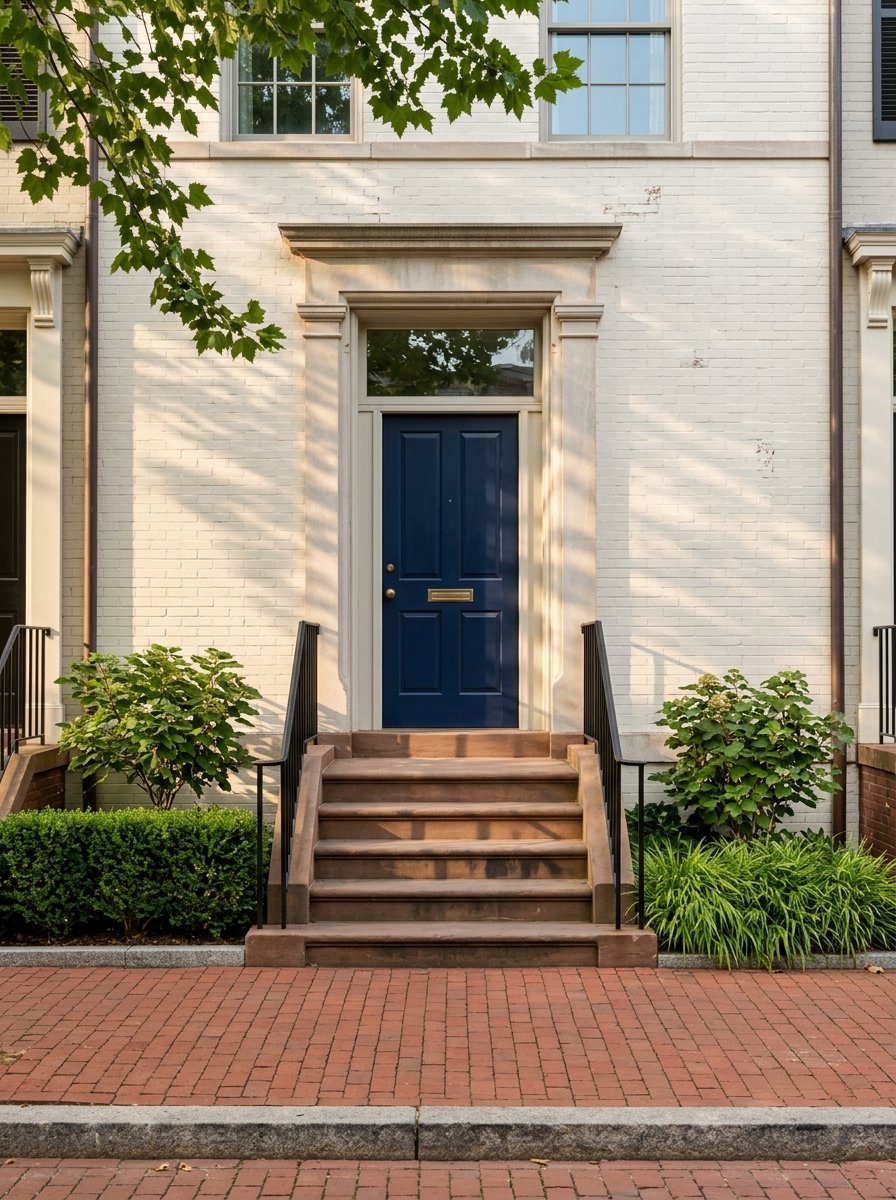
Dupont Circle and Logan Circle sit close together, but they do not offer the same housing mix. Logan Circle’s historic district is largely defined by attached 3- to 3.5-story rowhouses set slightly back from the sidewalk behind small yards and iron fences. The result is a more consistent, house-oriented streetscape.
Dupont Circle is more varied. Alongside rowhouses, you will also find mansions, apartment buildings, and low-scale commercial structures. For buyers, that means the feel of the neighborhood can shift noticeably from one block to the next.
That distinction matters when you are deciding between a row house and a loft condo. In Logan, the row house option tends to feel more embedded in the neighborhood’s core fabric. In Dupont, lofts, conversions, and boutique condo buildings may appear more naturally within the broader architectural mix.
Row House Living in Dupont-Logan
A classic rowhouse offers a very different way of living than a condo. The traditional layout often includes a side hall, a front parlor or living room, a dining room, a rear kitchen or basement kitchen area, and bedrooms above. In daily life, that usually means more separation between rooms, more vertical movement, and a more house-like sequence from front door to rear yard.
For many buyers, that room-by-room structure is part of the appeal. It can create a sense of privacy within the home and a clearer distinction between living, working, entertaining, and resting spaces. If you value architectural rhythm and defined rooms over an open plan, a row house may feel more intuitive.
More Control Over the Whole Building
One of the strongest advantages of a row house is control. You own the full structure rather than just the interior envelope of a unit. For a design-minded buyer, that can open more possibilities to rework interior spaces over time and shape the home around changing needs.
That said, control in a D.C. historic district is not unlimited. Exterior work that changes the appearance of a historic property generally requires preservation review, while interior alterations and non-structural interior demolition are normally exempt. Many permit applications are handled through expedited review, so the process is often more manageable than buyers first assume.
Maintenance Responsibilities Are Real
The tradeoff for that control is responsibility. D.C. property owners are required to keep buildings safe and sound, including roofs, gutters, exterior walls, porches, decks, and similar exterior features. In practical terms, the upkeep burden sits with you rather than being shared across an association.
For some buyers, that is a fair exchange. For others, it is a major lifestyle consideration. If you love the idea of stewarding a historic home, the responsibility may feel worthwhile. If you want a simpler ownership structure, it may feel heavy.
Outdoor Space Tends to Be Private
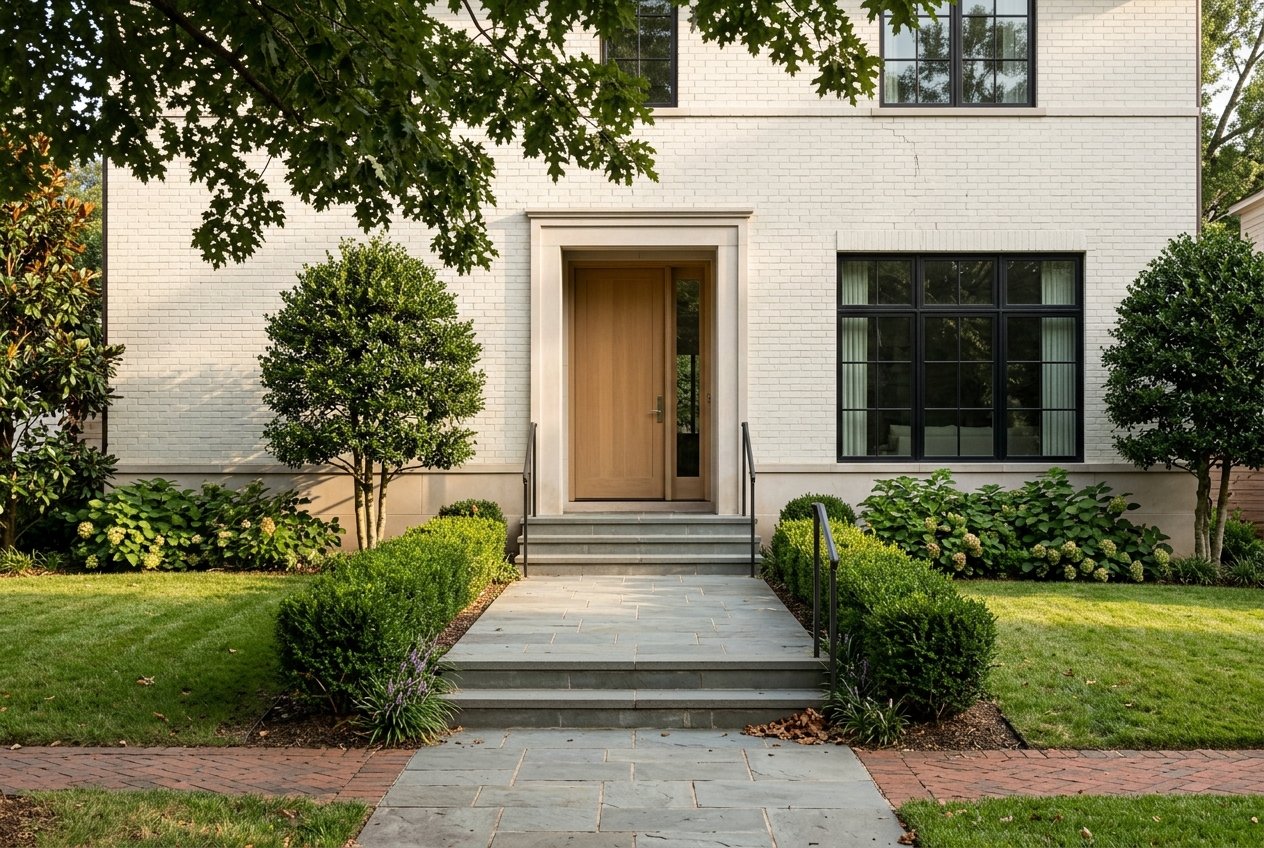
Outdoor space is another meaningful distinction. In Logan in particular, rowhouses are commonly set behind small front yards with iron fences. Depending on the property, you may also have a rear patio, terrace, or garden area that feels more private and more distinctly your own.
That kind of outdoor reset is hard to overstate. Even a modest yard can add a house-like sense of retreat in the city. If private exterior space ranks high on your list, a row house often has an edge.
Privacy Often Feels More House-Like
Rowhouses are attached, so you still share one or more party walls. Even so, they often feel more self-contained than life in a multi-unit building. You typically avoid the same upstairs-downstairs neighbor dynamic that can shape condo living.
For buyers sensitive to noise patterns, circulation, or shared entry experiences, that difference can matter. It is not total separation, but it often delivers a stronger sense of individual occupancy.
Loft Condo Living in Dupont-Logan
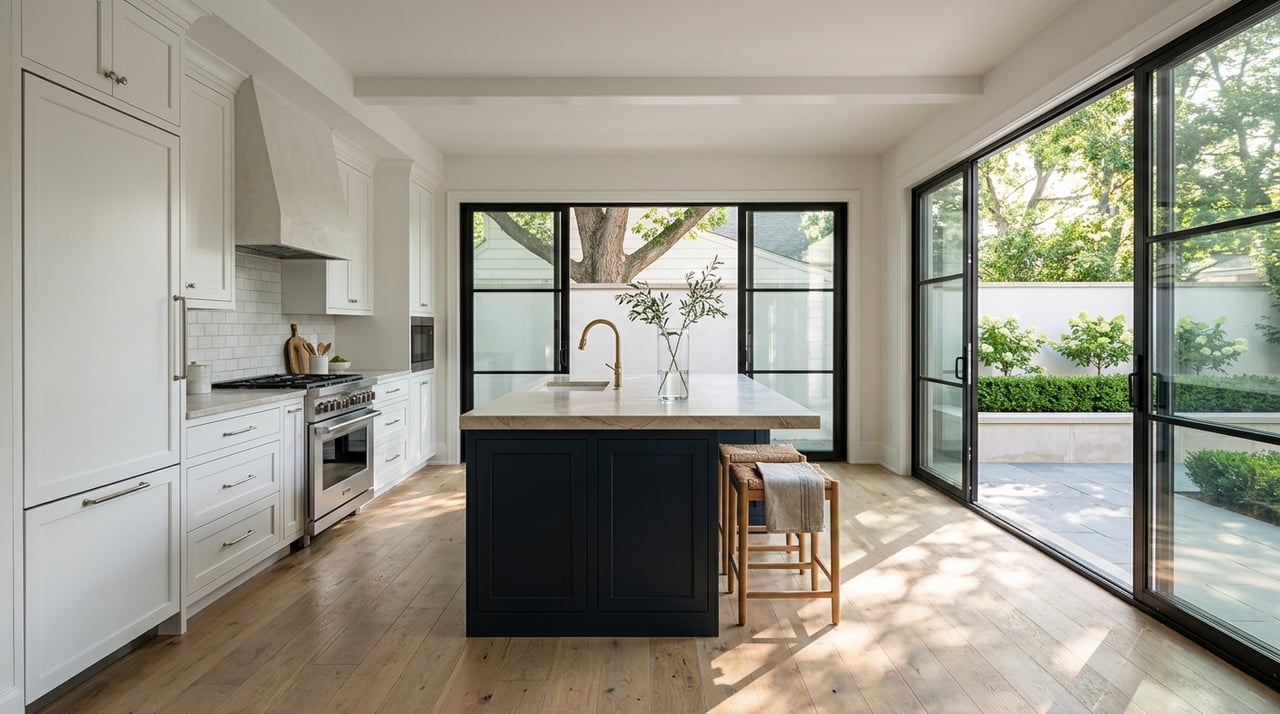
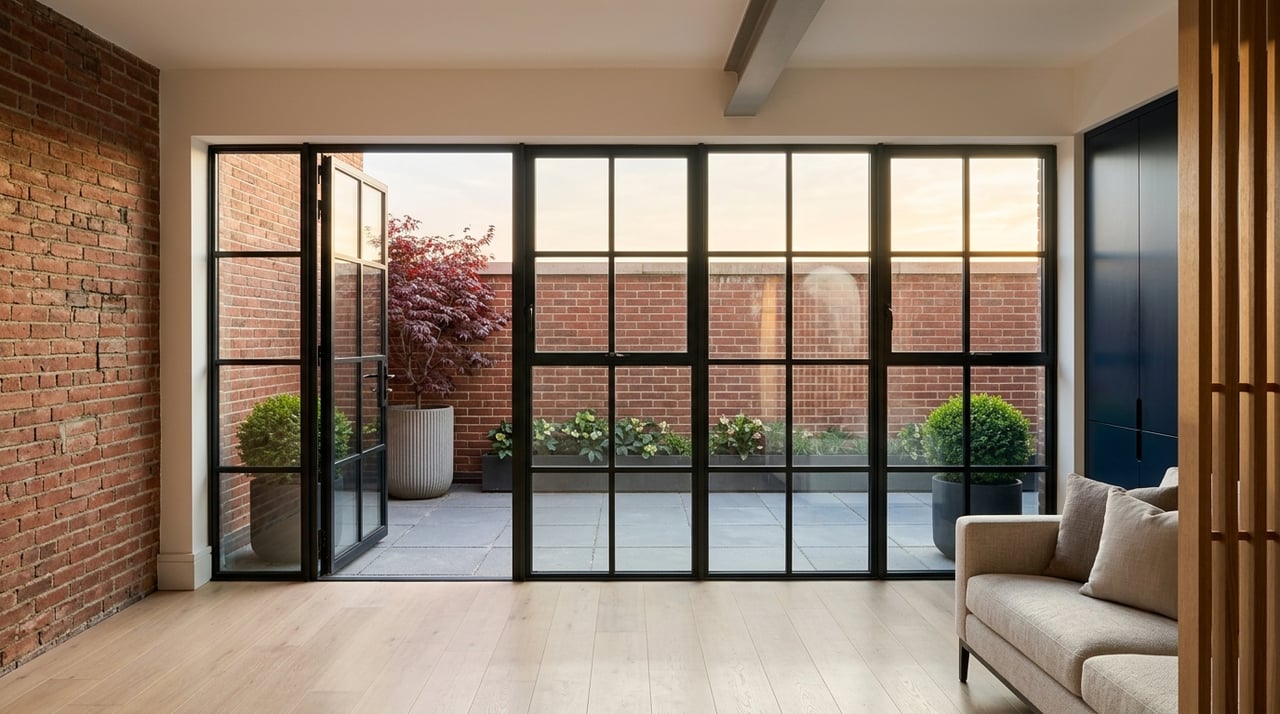
Loft-style and boutique condo living shifts the experience in a different direction. A loft is traditionally an upper space in a warehouse or business building, or an apartment created from that kind of structure. In Dupont and Logan, that often translates into open layouts, higher ceilings, large windows, exposed brick, mezzanine-style levels, and dramatic interior volume.
If a row house is about sequence and definition, a loft is often about light and openness. The appeal is less about historic domestic form and more about spatial flexibility, visual airiness, and a streamlined way of living.
Boutique Buildings Add Character
In this corridor, many condo options are not large towers. They are smaller boutique communities with a limited number of units and a stronger architectural identity. Some are adaptive reuses of older buildings. Others combine renovated historic structures with newer construction in a low-rise format.
That scale can be especially attractive if you want a condo without the feel of a large amenity building. Boutique living often offers a more curated atmosphere and a closer relationship to the surrounding streetscape.
Less Exterior Upkeep, More Shared Governance
For many buyers, the biggest condo advantage is maintenance simplicity. Under D.C. law, the unit owners’ association manages common elements, repairs, and certain insurance obligations for shared parts of the building. You are generally responsible for the interior walls and floors of your unit and for insuring those portions.
That structure can remove a lot of day-to-day exterior responsibility. At the same time, it adds governance. Associations can levy assessments, regulate common elements, and set building rules that shape how ownership works.
Rental Flexibility Can Be More Limited
This is a point buyers sometimes overlook. D.C. law allows condo associations to reasonably restrict leasing of residential units. So if you think you may want to rent the property later, condo documents deserve careful review.
A row house typically gives you more direct control in that respect, although other rules may still apply. If long-term flexibility is part of your strategy, this difference should be evaluated early.
Outdoor Space Is Unit-Specific
Outdoor space in a loft or boutique condo can be excellent, but it varies more by unit. The strongest examples may include private balconies, generous terraces, roof decks, or a relationship to a shared courtyard. Corner, penthouse, or courtyard-facing units often stand out.
That means you should look closely at how exterior space is actually configured. A condo may offer more dramatic outdoor living than a row house, but it is less predictable. The quality of the specific unit matters more than the category alone.
Control Versus Convenience
At the highest level, this choice often comes down to control versus convenience. A row house usually gives you more authority over the full shell, a stronger sense of individual ownership, and more freedom to shape the interior over time. In exchange, you take on exterior maintenance and work within historic preservation review for visible changes.
A loft condo usually lowers the maintenance burden and can still feel highly adaptable inside. In exchange, you accept HOA governance, shared-building obligations, possible assessments, and more limits on future leasing or building-level decisions.
Neither model is better in the abstract. The right answer depends on how you want to live, what kind of stewardship you want to take on, and how much autonomy matters to you.
How to Decide in Dupont-Logan
If you are comparing options in this corridor, focus on the lived experience rather than the label alone. A row house in Logan may offer a stronger sense of immersion in a classic attached-house streetscape. A loft condo in Dupont may deliver a striking mix of historic context and contemporary openness.
As you tour, pay attention to a few practical questions:
- Do you prefer defined rooms or open volume?
- Do you want private yard space, or would a terrace or roof deck serve you better?
- Are you comfortable taking full responsibility for exterior upkeep?
- How important is it to control future design changes directly?
- Might you want to lease the home later?
- Do you want a self-contained house feel or a shared-building structure?
For design-focused buyers, this is where nuance matters. The best decision often comes from reading not just the floor plan, but the building type, the review constraints, the ownership structure, and the way the home fits your daily patterns.
In a neighborhood pair as architecturally rich as Dupont and Logan, both paths can be compelling. The key is choosing the one that supports your priorities, not just the one that photographs well.
If you want help evaluating the real differences between a historic row house and a loft condo in Dupont-Logan, Theo Adamstein brings an architecturally informed, design-led perspective to the search and can help you assess layout, condition, flexibility, and long-term fit with clarity.
FAQs
What is the main difference between a row house and a loft condo in Dupont-Logan?
- A row house usually offers more defined rooms, ownership of the full building, and more direct control, while a loft condo usually offers more open space, less exterior upkeep, and shared-building governance.
How does Logan Circle housing differ from Dupont Circle housing?
- Logan Circle is more uniformly rowhouse-based, while Dupont Circle has a broader mix that includes rowhouses, mansions, apartment buildings, and low-scale commercial structures.
What maintenance responsibilities come with a Dupont-Logan row house?
- Row house owners are responsible for keeping exterior elements safe and sound, including items like roofs, gutters, exterior walls, porches, decks, and similar features.
How do condo associations affect loft condo ownership in Dupont-Logan?
- Condo associations manage common elements, repairs, and certain insurance responsibilities, but they can also levy assessments, set rules, and reasonably restrict leasing.
What should buyers know about historic review for row houses in Dupont-Logan?
- Exterior work that changes a historic property’s appearance generally requires review, while many interior alterations and non-structural interior demolition are normally exempt.
Which property type usually has better outdoor space in Dupont-Logan?
- Row houses often offer private yards or patios, while loft condos may offer balconies, terraces, or roof decks, depending on the specific unit.