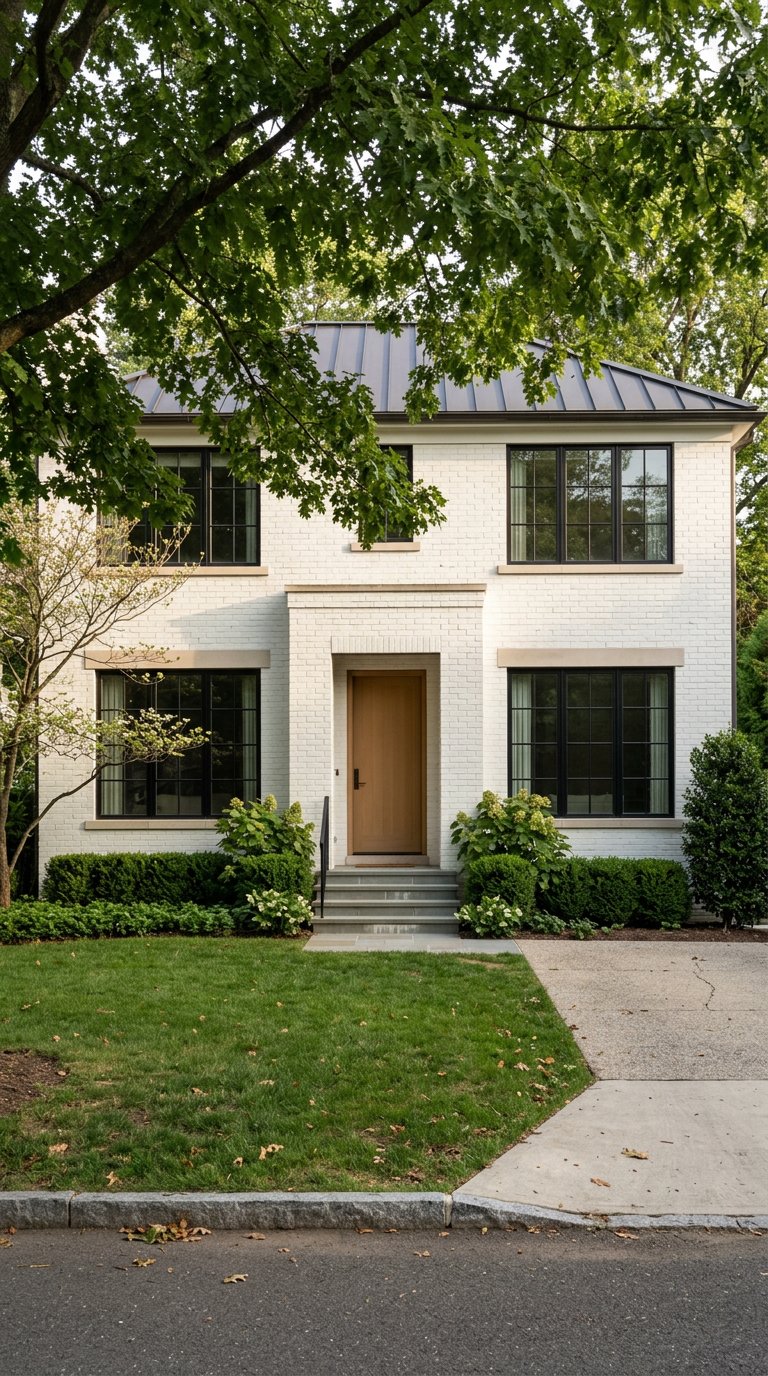
Trying to choose between Bethesda, Chevy Chase, and Potomac can feel like comparing three great lifestyles with very different rhythms. You might crave quiet streets and classic architecture, or you might want a condo with restaurants downstairs and a one-seat Metro ride into DC. In this guide, you’ll get a clear, side-by-side look at housing types, lot sizes, commutes, culture, outdoor access, and renovation rules so you can match each place to your priorities. Let’s dive in.
Quick decision guide
- Bethesda: A “suburban-urban” core with mid- to high-rise condos near a lively retail scene, plus nearby single-family streets. You get strong Red Line access at Bethesda station and daily use of the Capital Crescent Trail.
- Chevy Chase: A historic streetcar suburb with tree-lined blocks, early 20th-century homes, and small municipal villages. You get a quieter, residential feel with proximity to Metro and retail, rooted in its local history and planning.
- Potomac: Estate-scale living with large lots, privacy, and direct access to river trails and parks. You trade walkability and rail transit for space and a car-first routine, as outlined in this Potomac lifestyle overview.
Housing and architecture
Bethesda
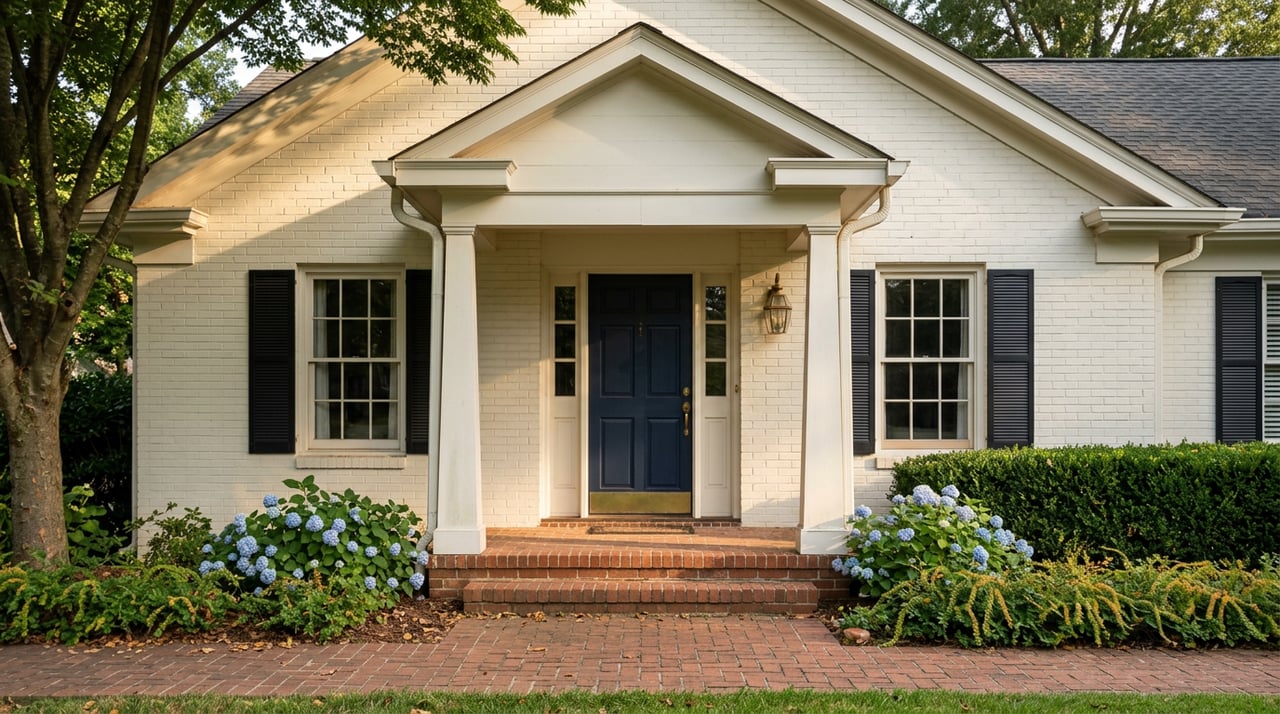
Downtown Bethesda centers on walkable retail blocks and a mix of mid- and high-rise condominiums, apartments, and newer townhome products. Step a bit away from the core and you find 1920s to 1950s Tudors, Colonial Revivals, and mid-century homes that have been renovated or rebuilt over time. This mix lets you choose low-maintenance vertical living or a traditional house within a short radius of shops and transit. You get an urbanized feel without giving up leafy residential streets.
Chevy Chase
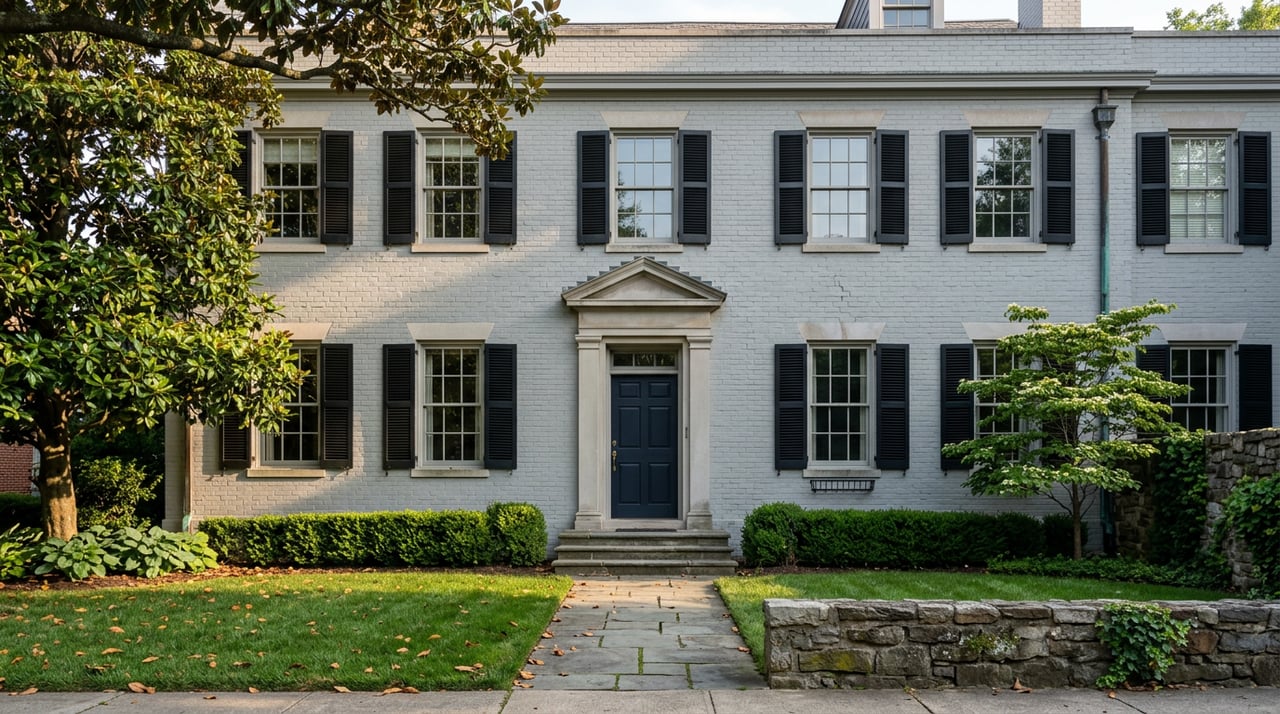
Chevy Chase reads like a classic early 1900s suburb, with intact historic streetscapes and a strong architectural identity. You will see Colonial Revival and Tudor Revival homes that reflect its streetcar-era development, as documented in the Chevy Chase Historic District context. Most housing is single-family on consistent lots, with apartments and small commercial pockets along Connecticut Avenue and near Friendship Heights. The look and feel are cohesive and intentionally residential.
Potomac
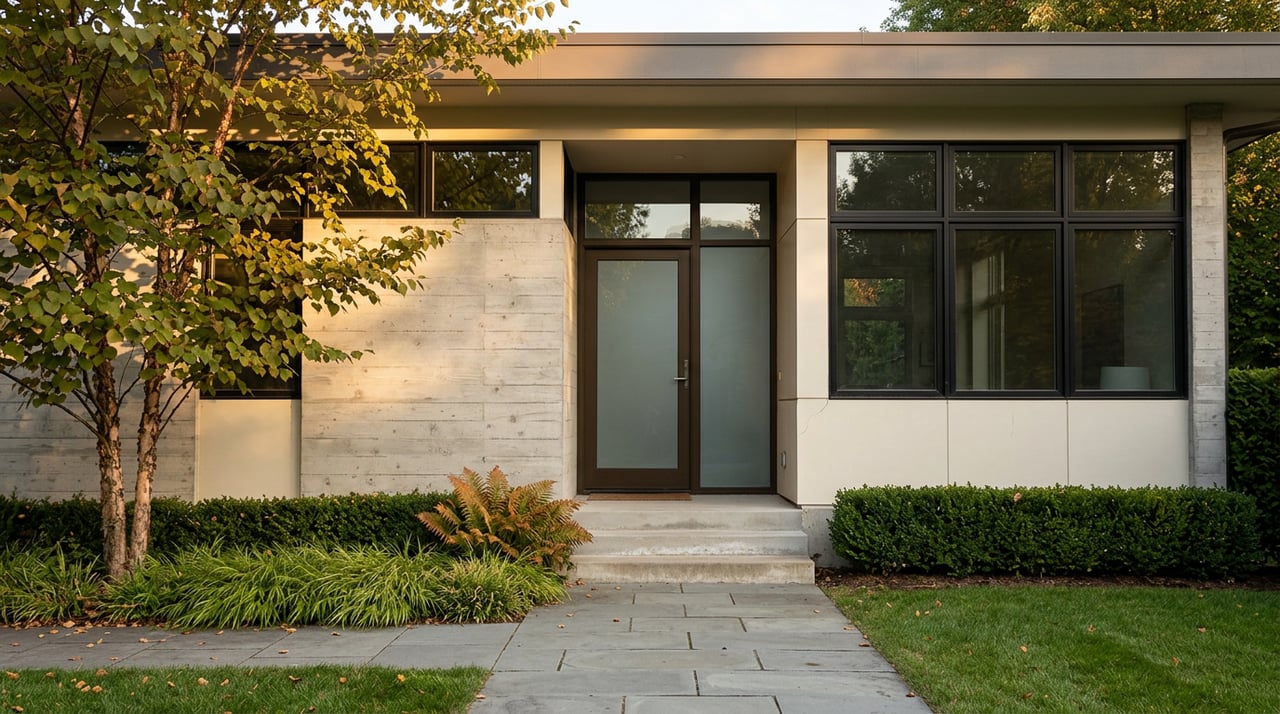
Potomac is dominated by single-family homes, including custom builds and high-end renovations on larger parcels. Styles range from modern estates to traditional forms, with townhouse and smaller multifamily options representing a smaller share than in Bethesda or Chevy Chase. If you want a compound-like setting or room to add amenities like a pool or sport court, this is where you are most likely to find it. The scale feels more country-adjacent and less urban.
Lot size and rules
Bethesda
Lots near the commercial core are smaller and see frequent infill. As you move into Bethesda’s single-family neighborhoods, parcels become more traditionally suburban but remain smaller than estate lots in Potomac. Parts of the planning area are shaped by county master plans and preservation measures, which can affect exterior changes. For historical planning context, the Bethesda–Chevy Chase Master Plan is a helpful reference.
Chevy Chase
Chevy Chase lots are generally larger and more consistent than downtown Bethesda infill but smaller than Potomac’s estate parcels. Some sections are within historic districts or subject to municipal review, which can raise the bar for major exterior changes. The streetcar-era fabric is a point of pride, and the area’s historic narrative helps explain why preservation overlays exist. If you plan an addition or façade change, expect to coordinate approvals in designated areas.
Potomac
Potomac’s estate zoning and planned communities produce larger lots, often an acre or more in certain neighborhoods. Privacy, mature tree canopy, and space for outdoor amenities are part of the product. Rules vary by subdivision and any HOA, so you will want parcel-level research for setbacks, pools, accessory buildings, or major expansions. The result is more room to tailor a property, with fewer immediate neighbors in view.
Commute and mobility
Bethesda
Transit is a core advantage. The Red Line at Bethesda station offers one-seat rides into downtown DC for many commutes. The Capital Crescent Trail provides a high-quality bike and pedestrian route toward Georgetown, and you will see plenty of daily riders and runners along it. Construction timelines for major projects and trail connections can change, so check current station and trail updates as you plan.
Chevy Chase
Many Chevy Chase addresses sit within a short distance of Metro and buses, with daily needs met along Connecticut Avenue and at nearby Friendship Heights. If your home is close to a station area, a one-seat Red Line commute is realistic. The residential streets encourage walking, and local retail clusters support errands without long drives. It offers a balance of quiet living and practical access.
Potomac
Potomac is car-oriented. You will rely on River Road, Falls Road, and the Beltway corridors, or use county buses and commuter routes to connect with employment centers. The Montgomery County Ride On system helps with links to Metro or direct service options, but most households drive for daily errands. Expect more variability in peak-hour travel times compared with rail-proximate neighborhoods.
Culture and retail
Bethesda
Bethesda concentrates restaurants, independent shops, and performing arts venues in a compact core. Cultural anchors like Strathmore and Round House Theatre are within easy reach for concerts, exhibitions, and local productions. If you want dinner and a show without a long drive, you will appreciate this density of options. It is a natural fit for evening plans after work.
Chevy Chase
Retail clusters along Connecticut Avenue and at Friendship Heights offer services and shopping at a smaller scale than downtown Bethesda. The village structure and historic streetscapes keep the area grounded in a residential cadence. You can dip into Bethesda’s dining and arts in minutes, but day to day you live on quieter, tree-lined blocks. It is a measured lifestyle with quick access to what you need.
Potomac
Potomac’s retail is more dispersed, with village-style centers like Potomac Village and Park Potomac. Social life often revolves around clubs, home entertaining, and outdoor pursuits. If you are comfortable planning nights out a drive away, the tradeoff is space and privacy at home. The Potomac area guide offers a practical snapshot of these lifestyle patterns.
Outdoors and recreation
Bethesda and Chevy Chase
The Capital Crescent Trail is a daily staple for walkers, runners, and cyclists, offering a green corridor connecting neighborhoods and job centers. You can follow route and status information through the Capital Crescent Trail coalition. Local parks thread through both communities, so quick outdoor breaks are easy to fit into your routine. If you thrive on frequent, no-drive workouts, this is a strong plus.
Potomac
Potomac borders some of the region’s most dramatic river landscapes, including the C&O Canal towpath, Great Falls, and the Billy Goat Trail. The NPS trail guidance details routes and safety notes for hikes and paddling access. Weekends can start at your trailhead rather than your trunk packed for a long drive. If you want immersive nature close to home, Potomac is hard to beat.
Who each area fits
- Bethesda best if: You want walkability, a one-seat Red Line commute, and dense dining and arts. Tradeoff: smaller lots and more vertical living.
- Chevy Chase best if: You want classic suburban blocks, tree canopy, and a quiet residential identity with practical Metro reach. Tradeoff: stricter review for exterior changes in historic or municipal areas.
- Potomac best if: You want land, privacy, and direct access to river trails and country-club amenities. Tradeoff: longer, car-first commutes and more dispersed retail.
How to choose on the ground
- Walk your top streets at two times: weekday rush hour and a Saturday morning. Listen, watch traffic, and note parking and bike activity.
- If transit matters, time your door-to-rail or door-to-bus walk and confirm your route options using current station and service updates.
- If you plan a renovation, check for historic overlays, municipal rules, or HOA guidelines, starting with the Bethesda–Chevy Chase Master Plan and your local municipality.
- If outdoor access matters, preview your daily route to the Capital Crescent Trail or your weekend drive to the C&O towpath and the Billy Goat Trail.
- For Potomac, map your peak-hour drive times and test alternative routes. Explore Ride On to understand bus connections if you plan a hybrid commute.
- Compare property forms. Decide if you want condo services, a traditional house near the core, or an estate parcel that supports more outdoor amenities.
Your choice comes down to pace, space, and access. If you want design-savvy guidance, neighborhood nuance, and a clear plan to buy or sell with confidence, connect with Theo Adamstein to map your next step.
FAQs
What is the commute like from Bethesda to downtown DC?
- Many Bethesda addresses enjoy a one-seat Red Line ride from Bethesda station, plus bike access via the Capital Crescent Trail for a predictable, car-light commute.
How walkable is Chevy Chase, Maryland for daily errands?
- Chevy Chase offers retail clusters along Connecticut Avenue and proximity to Friendship Heights, so many errands are walkable while keeping a quieter residential feel.
What outdoor experiences define Potomac, Maryland?
- Potomac’s hallmark is riverside access to the C&O Canal towpath, Great Falls, and the Billy Goat Trail, which support hiking, paddling, and weekend adventures.
Where will I find condos versus estate homes in Montgomery County?
- Bethesda concentrates mid- and high-rise condos near its core, while Potomac offers estate-scale parcels and custom homes; Chevy Chase is largely single-family with a classic suburban fabric.
What renovation rules should I expect in Chevy Chase or Bethesda?
- In designated historic or municipal areas, exterior changes can require review; consult local guidelines and the Bethesda–Chevy Chase Master Plan before planning major work.