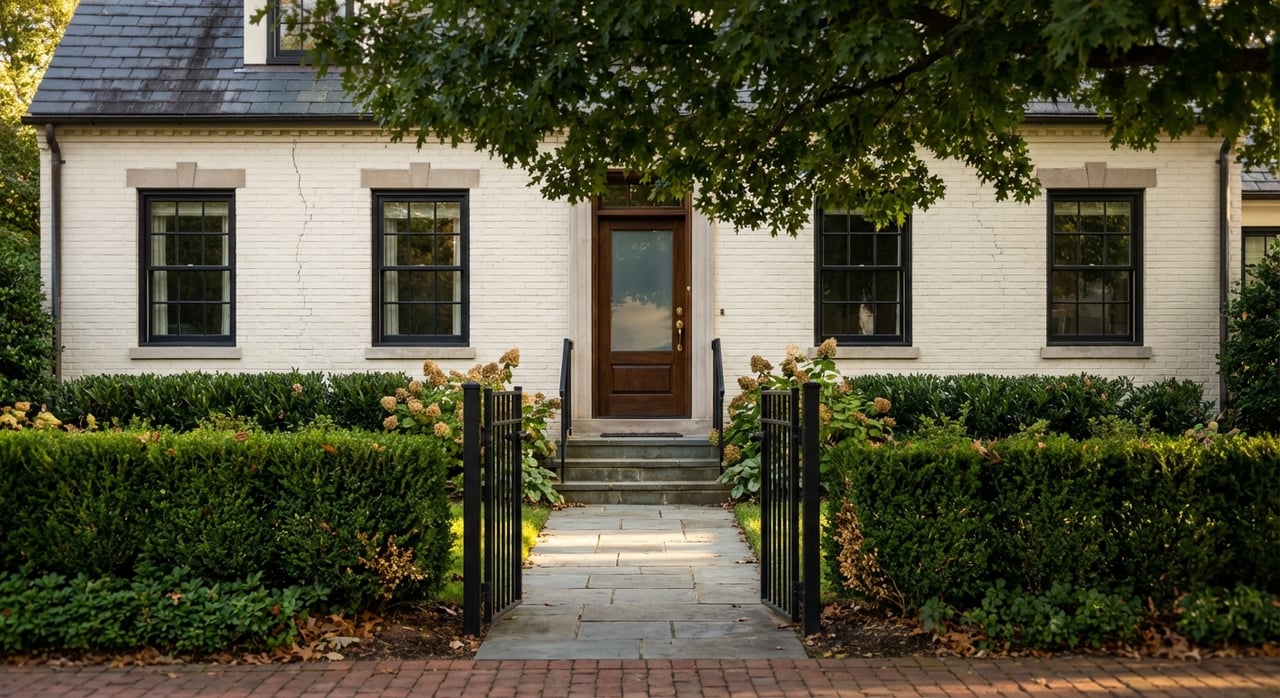
Are you feeling squeezed in your current home, or ready to simplify without losing the Chevy Chase lifestyle you love? Right-sizing is about aligning space, layout, and upkeep with how you live today, not just chasing more or less square footage. In this guide, you’ll learn how to translate your wish list into smart choices about floor plans, lots, taxes, HOA fees, and local rules so you can move confidently. Let’s dive in.
What right-sizing means here
Right-sizing is not one-size-fits-all. You focus on function over sheer size. For many empty nesters, the sweet spot looks like single-level or low-stair living with strong storage and easy maintenance. For growing families, it often means more bedrooms, play space, and a yard that supports daily routines.
Chevy Chase offers options across the spectrum, from historic single-family homes to townhomes and condos close to transit and retail. Your goal is to match the format to your lifestyle and budget, then weigh location and upkeep.
Chevy Chase market context
Chevy Chase is a high-price, low-inventory market, and published figures vary by data source. Recent snapshots have shown higher medians from some vendors and lower smoothed averages from others. These differences reflect methodology and sample size. When you are pricing a move, use current local MLS data with your agent, and consider ranges rather than a single headline number.
Home types and tradeoffs
Chevy Chase blends classic and contemporary housing. Historic surveys note early 20th-century Colonial Revival and Tudor homes in older sections, with later infill near commercial corridors. This mix gives you distinct right-sizing paths.
Single-family homes
- Typical size: roughly 2,000 to 4,500 plus square feet, often with basements and mature yards.
- Best fit: families who need multiple bedrooms, storage, and private outdoor space.
- Tradeoffs: higher maintenance and utility costs, plus yard care time.
Townhomes and rowhomes
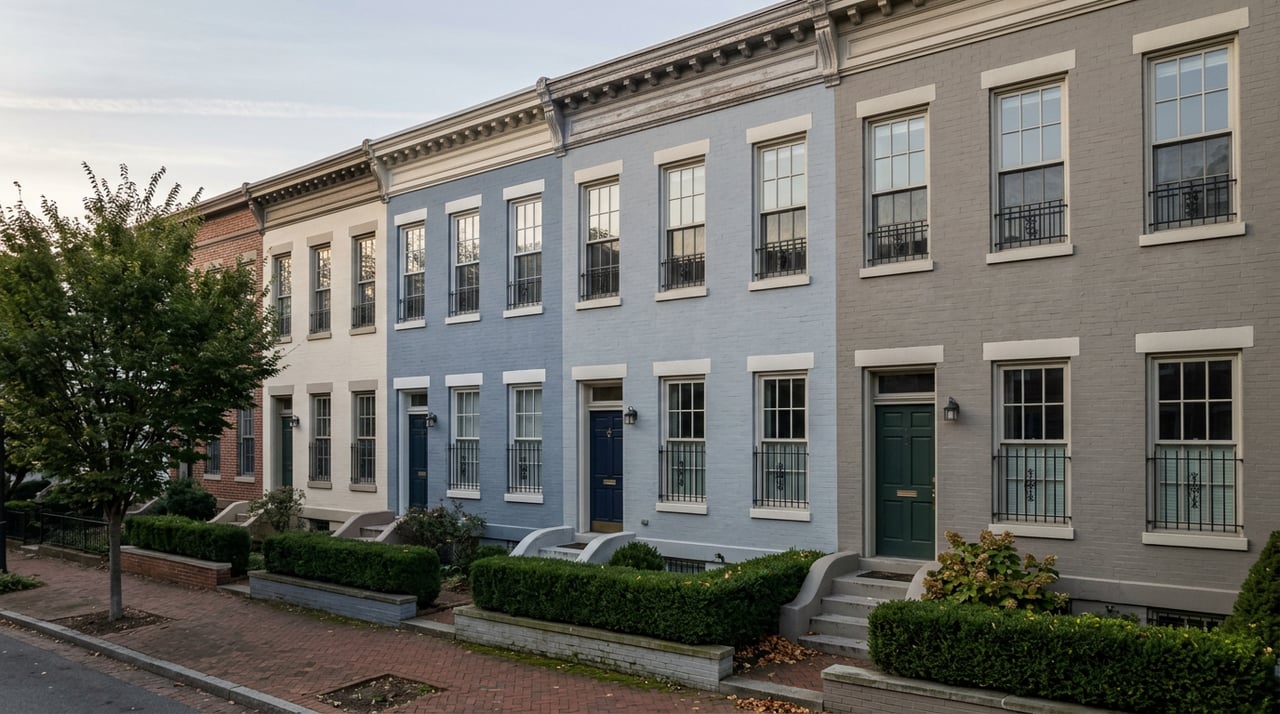
- Typical size: about 1,200 to 1,800 plus square feet with stacked living and limited yard.
- Best fit: buyers who want space with less exterior upkeep and good proximity to amenities.
- Tradeoffs: more stairs and smaller private outdoor areas.
Condos and co-ops
- Typical size: studios to three-bedroom units, with building amenities and monthly fees that cover exterior care.
- Best fit: empty nesters and lock-and-leave buyers who prize walkability and services.
- Tradeoffs: HOA rules and assessments add complexity, and interior square footage is smaller than a house at the same price.
Square footage and layout
Focus on how you use rooms every day. A well-planned 1,800 square feet can outperform a larger but awkward layout.
- Empty nesters often prioritize 1,200 to 2,500 square feet on one level or with elevator access, plus strong storage.
- Growing families often target 2,000 to 4,000 plus square feet with multiple bedrooms near baths, a family room off the kitchen, and a mudroom or laundry close to daily traffic.
Look for layouts that support daily living: a main-floor bedroom suite, a flexible office or guest room, and circulation that keeps noise and clutter in check. For aging in place, features like a no-step entry, good lighting, and space to add grab bars are highly valuable. The AARP HomeFit checklist is a practical place to start.
Lot size and outdoor space
Lot size shapes your maintenance, privacy, and project potential. Many Chevy Chase lots fall in the 5,000 to 10,000 plus square foot range, with some municipal areas larger. Larger lots offer room for gardens, patios, or accessory structures, but they add time and cost for landscaping. Smaller lots and townhome patios cut the yard burden.
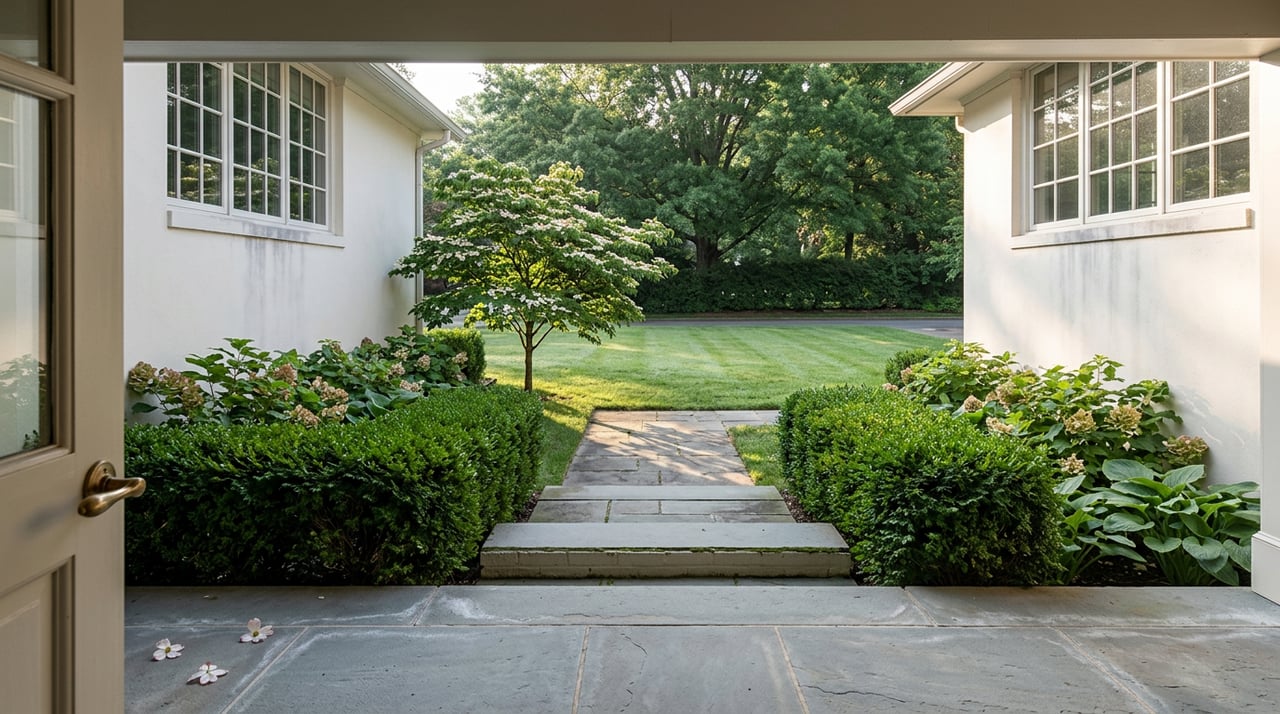
When you compare options, estimate both the look you want and the upkeep you can commit to. If you prefer a low-maintenance patio over a large lawn, right-size your lot accordingly.
Recurring costs and fees
Right-sizing is also about your monthly and annual budget. Build out the full picture so you compare apples to apples.
- Maintenance: A common rule of thumb is to budget about 1 to 3 percent of home value per year, or roughly 1 dollar per square foot per year, for routine upkeep and small replacements. Older homes tend to track toward the higher end. See guidance on averages from HomeLight’s maintenance cost overview.
- Utilities: Larger square footage and bigger yards generally mean higher heating, cooling, and water usage. HVAC age and efficiency matter. Ask for recent utility bills when you can.
- HOA and condo fees: National research shows HOA fees are common and rising. A 2025 summary reported a median HOA around 135 dollars per month, with wide variation by building and amenities. Always review budgets, reserve studies, and any special assessments before buying. Learn more from this recent HOA fee trend summary.
Property taxes in Chevy Chase
Property tax rates vary across the municipalities and special tax districts that make up Chevy Chase. Total effective rates typically fall in the roughly 1.15 to 1.33 per 100 dollars of assessed value range, depending on the parcel’s tax class and district. You can confirm rates in the county’s real property tax rate schedule.
Credits and exemptions can reduce your net bill. Montgomery County outlines programs such as the homestead credit and an income-offset credit for eligible homeowners. Review current details, requirements, and deadlines on the county’s tax information page and verify the parcel’s tax class during due diligence.
Transit and location tradeoffs
Many right-sizing decisions balance space against convenience. Proximity to Metro, buses, and trails can offset the need for a larger home or extra car.
- Friendship Heights on the Red Line serves parts of Chevy Chase and neighboring retail corridors. Get a feel for the station and service on the Friendship Heights Metro page.
- The Capital Crescent Trail provides a major bicycle and walking route toward Bethesda and Georgetown.
If you choose a smaller condo or townhouse near transit and retail, you may save time and reduce driving. If you prefer a larger lot further from the Metro, build commute time into your daily plan.
Schools and resale basics
Chevy Chase addresses are typically within the Bethesda–Chevy Chase school cluster. Boundaries can change, so verify the assigned schools for a specific address with Montgomery County Public Schools. You can reference school pages such as Somerset Elementary and use the MCPS boundary tools during your search.
For buyers who need specific programs or commute patterns, proximity to schools and after-school activities can support daily routine and future resale. Use current boundary information as part of your evaluation.
Zoning and permitting to know
County and municipal rules shape what you can build or modify, which matters if you plan to add an accessory dwelling, finish a basement, or reconfigure entries for accessibility.
- Montgomery County adopted zoning updates effective November 1, 2025, that allow certain small multi-unit or workforce housing types along segments of Connecticut and Wisconsin Avenues. Interior single-family blocks generally retain current standards for now. Read a summary and local responses in the Chevy Chase Village update.
- Common one-family zones include R-60, which has a minimum net lot area of 6,000 square feet. Check details in the Montgomery Planning zoning directory and confirm the specifics for your parcel.
- Incorporated municipalities, including the Town of Chevy Chase and Chevy Chase Village, have additional design review and permitting layers for trees, fences, additions, and front-yard rules. Timelines and processes vary. See the Town’s Land Use Handbook for an example of local guidance.
If you are weighing an accessory dwelling unit, a main-floor primary addition, or a patio overhaul, bring zoning and municipal review into your cost and schedule early.
Strategies for empty nesters
- Trade down within Chevy Chase: Consider a smaller single-family with a simpler yard, or a condo or townhouse near Friendship Heights or Bethesda retail. You keep the neighborhood feel while lowering maintenance.
- Renovate to stay: Add a main-floor suite, improve lighting, create a no-step entry, and choose durable, low-maintenance finishes. Start with the AARP HomeFit checklist to plan phased upgrades.
- Try before you buy: If you are unsure whether condo living fits, sell and rent for a season to test building amenities, parking, and walkability.
Strategies for growing families
- Right-size up: Look for a layout with a family room off the kitchen, a practical mudroom or laundry, and enough bedrooms near baths. A mid-size yard can strike a balance between play space and upkeep.
- Townhouse near transit: If you want lower exterior maintenance, a well-located townhouse can deliver space and walkability.
- Plan for future flexibility: If you might add an accessory unit or an addition later, check setbacks, lot coverage, and design review early using the zoning directory and your municipality’s handbook.
Quick right-sizing checklist
- Layout: Do you need main-floor living today or in the next 10 years?
- Bedrooms: How many sleeping spaces and flexible rooms do you truly use, including office or guest needs?
- Storage: Can you keep seasonal items, sports gear, and files organized without off-site storage?
- Outdoor space: Patio and planters or lawn and garden? Estimate monthly landscaping time and cost.
- Maintenance: Budget about 1 to 3 percent of home value per year for upkeep.
- Taxes and HOA: Confirm your parcel’s municipal tax class and review the HOA’s budget and reserve study if applicable.
- Schools and commute: Verify current MCPS boundaries and average travel times to work and after-school activities.
How we can help
Right-sizing is both a design problem and a financial decision. You deserve advice that weighs layout, light, and circulation alongside carrying costs, taxes, and resale. With an architecture and design background, we help you evaluate floor plans, scope aging-in-place improvements, and compare condo or townhouse fees against single-family upkeep. For sellers, we guide targeted updates, staging, and premium visual marketing that highlight livability, which can improve outcomes in a competitive Chevy Chase market.
If you are considering a move within Chevy Chase or exploring nearby options, start with a focused consult. We will map your space needs, review real taxes and fees for specific addresses, and shortlist homes or renovations that match your lifestyle.
Ready to right-size with confidence? Connect with Theo Adamstein to start a tailored plan.
FAQs
What does right-sizing mean for Chevy Chase homeowners?
- It means aligning your home’s layout, size, and upkeep with how you live now, balancing space, location, and costs in a high-demand, low-inventory market.
How do property taxes vary in Chevy Chase?
- Total rates differ by municipality and tax district, generally around the low 1 percent range per 100 dollars assessed; confirm your parcel’s rate in the county schedule and check credits.
Is a condo or townhouse better for low maintenance?
- Condos typically shift exterior care to the association, while townhouses reduce it versus detached homes; compare HOA fees, reserves, and rules to find your best fit.
What layouts work for aging in place?
- Prioritize a no-step entry, a main-floor bedroom and full bath, good lighting, and space for future grab bars or a roll-in shower using AARP’s HomeFit checklist.
How do new zoning rules affect Chevy Chase buyers?
- Small multi-unit options may increase along certain corridors, while most interior single-family blocks keep current standards; always confirm zoning and municipal review for a specific address.