Trying to choose between a condo and a row house in Georgetown? In most neighborhoods, that decision comes down to space, maintenance, and budget. In Georgetown, it also involves historic review, narrow-lot streets, limited parking in many areas, and a walkable lifestyle shaped by the waterfront and retail corridors. If you want to buy with clarity, this guide will help you weigh the real tradeoffs so you can choose the property type that fits how you want to live. Let’s dive in.
Why Georgetown Feels Different
Georgetown is not a typical urban neighborhood. According to the DC Office of Planning’s overview of the Georgetown Historic District, it was created in 1950, was Washington’s first historic district, and is also a National Historic Landmark. That historic framework shapes what ownership feels like, especially when you are thinking about exterior changes.
The neighborhood’s physical layout also matters. DC planning materials describe West Georgetown as a narrow-lot row house area with attached homes, limited alley continuity, and little or no on-site parking for many houses. In practical terms, that means your day-to-day experience may include street parking, close building proximity, and tighter service access than you might expect in less historic parts of the city.
What Condo Ownership Means
A condo gives you ownership of your individual unit plus a shared interest in the building’s common elements. As HUD explains, those shared areas are maintained collectively through the condo association, with owners paying monthly condo fees to help cover maintenance and repairs.
For many buyers, that structure offers a simpler form of ownership. You are typically not handling the roof, exterior envelope, or common-area upkeep on your own. In a neighborhood like Georgetown, where many people want to spend more time enjoying the local streets, restaurants, canal, and waterfront than managing exterior maintenance, that can be a meaningful advantage.
Condo Costs to Expect
A condo usually comes with a different monthly cost structure than a row house. The Consumer Financial Protection Bureau notes that condo or HOA dues are generally paid separately from your mortgage.
Those dues often help fund shared maintenance and may include master insurance for common areas, though you still need insurance for your own unit. The CFPB also notes that unpaid dues can lead to collection action and even foreclosure, so it is important to view condo fees as a core housing expense, not an optional add-on.
Condo Lifestyle in Georgetown
In Georgetown, condo living often aligns with a lower-touch lifestyle. That is especially true if you want to be close to the neighborhood’s retail and riverfront activity, which the Georgetown BID identifies as centered around M Street, Wisconsin Avenue, and the blocks stretching south toward the Potomac River.
If your ideal routine includes walking to coffee, dinner, shopping, or the waterfront, a condo may support that rhythm with fewer exterior responsibilities. You may give up some direct control over the building, but you may gain convenience and predictability in return.
What Row House Ownership Means
A row house usually involves fee-simple ownership, meaning you own both the home and the land. HUD distinguishes this from condo ownership by noting that the homeowner is responsible for the purchase, use, maintenance, and repair of the property.
That ownership model offers more direct control. For buyers who care about architectural detail, private entry, or the feeling of owning a full residence rather than a unit within a larger building, a Georgetown row house can be deeply appealing.
Row House Responsibilities
That greater control also brings greater responsibility. You are generally the one planning for repairs, maintenance, and ongoing exterior care, rather than sharing those obligations through an association.
In Georgetown, that responsibility comes with an added preservation layer. The DC historic preservation guidance explains that interior alterations are generally exempt from preservation review, while exterior changes visible from public space are subject to Georgetown’s special review system. The Old Georgetown Board reviews visible exterior architectural elements, including appearance, materials, and related design features.
Row House Daily Life in Georgetown
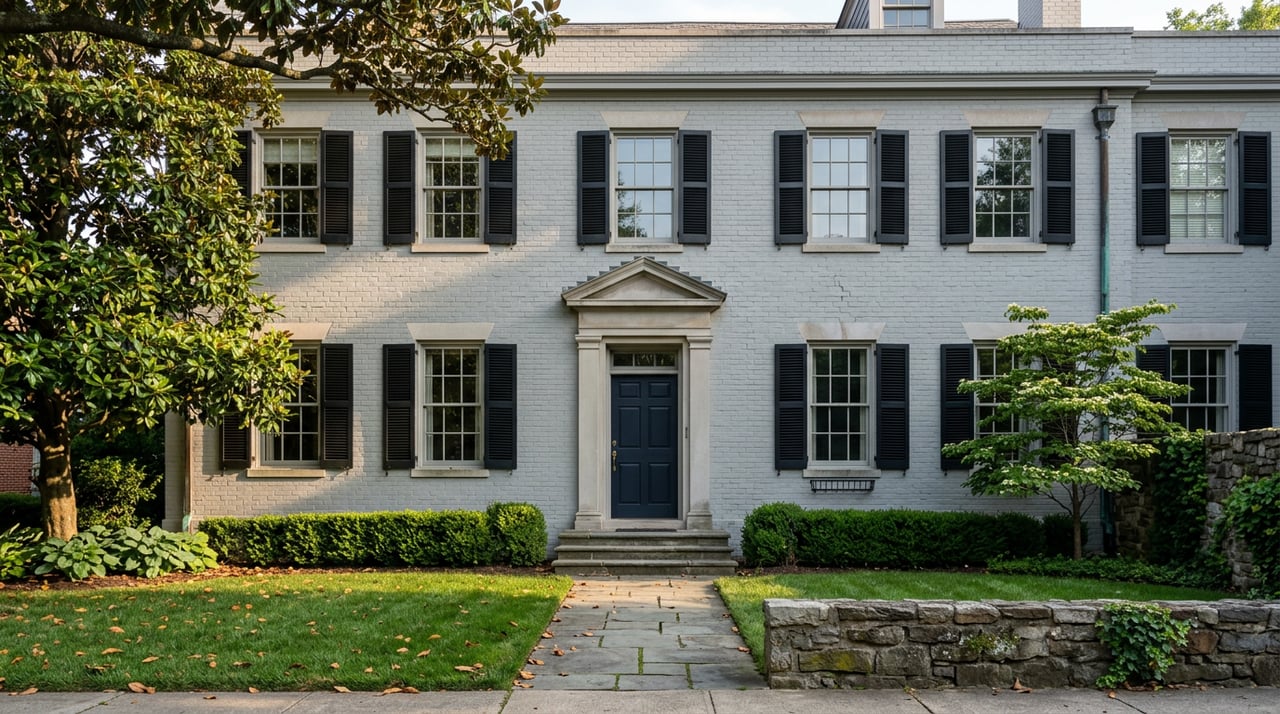
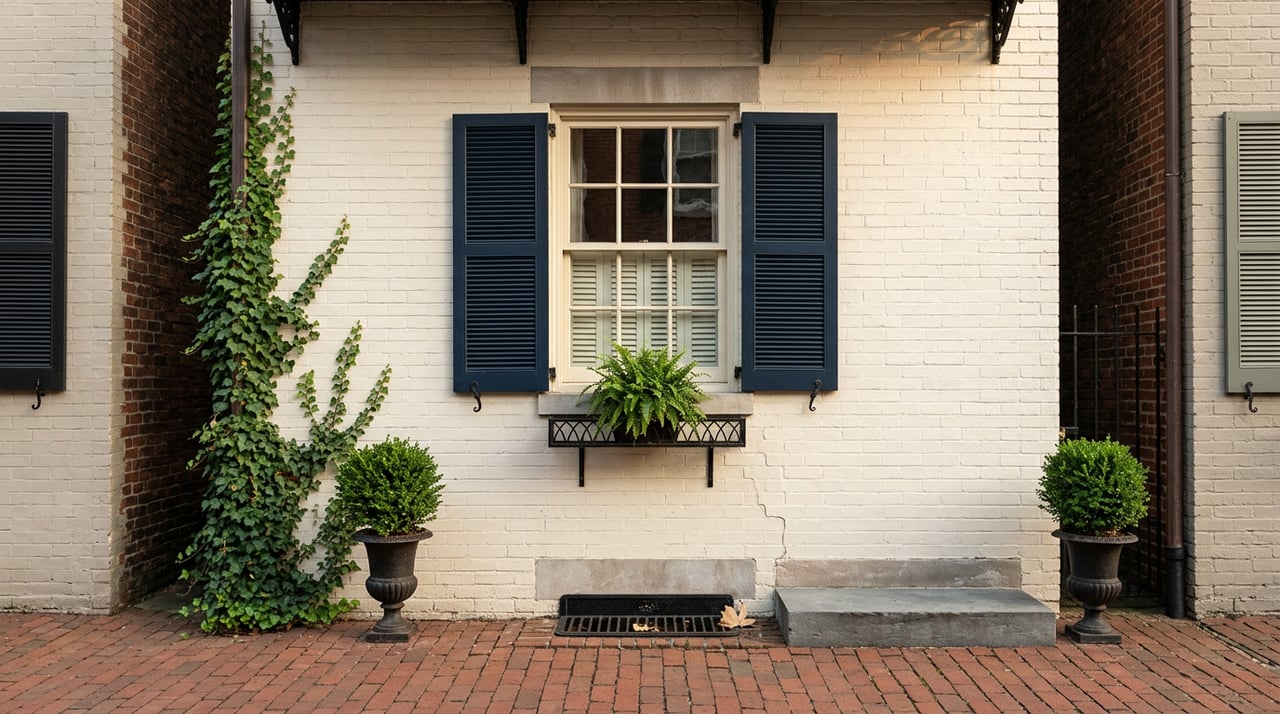
The appeal of a row house here is not just ownership structure. It is also the character of Georgetown’s attached homes, brick facades, and historic streetscape.
At the same time, Georgetown row house living has practical realities. DC planning records note that many homes have limited alley access and little or no on-site parking, with streets absorbing parking, service, and trash activity. If parking, deliveries, or contractor access matter to your routine, those details deserve careful attention before you buy.
Maintenance: Which Is More Hands-On?
For many buyers, this is the deciding factor.
With a condo, more exterior and common-area maintenance is typically handled by the association. With a row house, more of that responsibility usually falls directly on you as the owner. In Georgetown, that distinction matters even more because visible exterior work on historic properties may require review, which can affect timing, scope, and design choices.
If you want a home that asks less of you physically and logistically, a condo may feel easier. If you value direct stewardship and do not mind coordinating maintenance over time, a row house may be the better fit.
Renovation Flexibility in Georgetown
Buyers often assume a row house automatically means total freedom to renovate. In Georgetown, that is not quite true.
According to the DC preservation review guidance, interior work is generally easier from a review standpoint, while exterior work visible from public space is more regulated. Minor rear work that is not visible from an alley may be treated more flexibly.
That means the real question is not simply, “Condo or row house?” It is also, “How important are visible exterior changes to me?” If your goals are mostly inside the home, a row house may still offer meaningful flexibility. If your vision depends on changing street-facing features, Georgetown’s preservation process should be part of your planning from day one.
Privacy and Outdoor Space
Neither option in Georgetown should be viewed through a suburban lens. Privacy here is relative.
Condo living includes shared common elements and closer building relationships by design. Row houses can feel more private and more house-like, but they are still typically attached homes on narrow lots. As the planning record notes, these homes are often built close together with limited built-in buffer.
Private outdoor space can also vary widely. A row house may offer a rear patio, garden, or roof terrace depending on the property, while a condo may offer little or no private exterior area. That said, Georgetown benefits from unusually strong public outdoor amenities. Georgetown Waterfront Park stretches from 31st Street NW to the Key Bridge and provides river views, car-free pathways, and access for walking, cycling, and other recreation.
In other words, even if your private outdoor space is limited, Georgetown’s public realm can still play a major role in how spacious daily life feels.
Parking and Logistics Matter More Than You Think
Parking is easy to underestimate when you fall in love with a beautiful Georgetown facade. It should not be an afterthought.
DC planning materials make clear that many row house blocks have limited on-site parking and constrained service access. If you own a car, receive frequent deliveries, or anticipate renovation work, these logistical details can affect everyday convenience more than a floor plan might suggest.
Condos are not automatically simple on this front, but row house buyers should look closely at block conditions, alley access, and the practical rhythm of the street. In Georgetown, ownership is not just about the home itself. It is also about how the block functions around it.
A Simple Georgetown Comparison
| Topic | Condo | Row House |
|---|---|---|
| Ownership | Unit plus shared common elements | House and land together |
| Maintenance | More shared through association | More direct owner responsibility |
| Monthly costs | Mortgage plus condo/HOA dues | Mortgage, taxes, insurance, maintenance |
| Renovation freedom | Often shaped by association rules | More control, but visible exterior work may require review |
| Parking | Varies by building | Often limited in historic row house areas |
| Lifestyle fit | Lower-touch, walkable, convenience-oriented | More independent, house-like, stewardship-oriented |
Which Option Fits You Best?
A condo may be the stronger fit if you want a more streamlined ownership experience, predictable shared maintenance, and easy access to Georgetown’s retail and waterfront amenities. It can work especially well if your priority is living in the neighborhood without taking on the full responsibilities of a historic house.
A row house may be the better choice if you value fee-simple ownership, direct control, and the feel of a full residence with architectural character. It may also appeal if you are comfortable with maintenance planning and understand that exterior changes in Georgetown are shaped by preservation review.
The right answer is rarely abstract. It depends on how you want to spend your time, how much control you want, and how comfortable you are with the practical realities of historic urban ownership.
If you are weighing condos against row houses in Georgetown, working with someone who understands architecture, renovation potential, and historic context can make the decision much clearer. To talk through your options with a design-literate, concierge-level approach, connect with Theo Adamstein.
FAQs
What does condo ownership include in Georgetown?
- Condo ownership generally means you own your unit plus an undivided interest in the building’s common elements, with maintenance of shared areas typically handled through the condo association.
What does row house ownership include in Georgetown?
- Row house ownership usually means fee-simple ownership, where you own the house and the land and are generally responsible for the property’s maintenance and repair.
What are the renovation rules for Georgetown row houses?
- Interior alterations are generally exempt from preservation review, while exterior changes visible from public space are typically subject to Georgetown’s special historic review process.
What monthly costs should buyers expect with a Georgetown condo?
- Buyers should generally expect mortgage payments plus separate condo or HOA dues, along with taxes and insurance for the unit.
How important is parking when buying in Georgetown?
- Parking can be very important because many historic row house areas have limited or no on-site parking, and street conditions often shape daily convenience.
Does Georgetown offer outdoor space even if a home has little private exterior area?
- Yes, Georgetown’s public outdoor amenities, including Georgetown Waterfront Park and the C&O Canal area, can add meaningful recreational and open-space access to daily life.