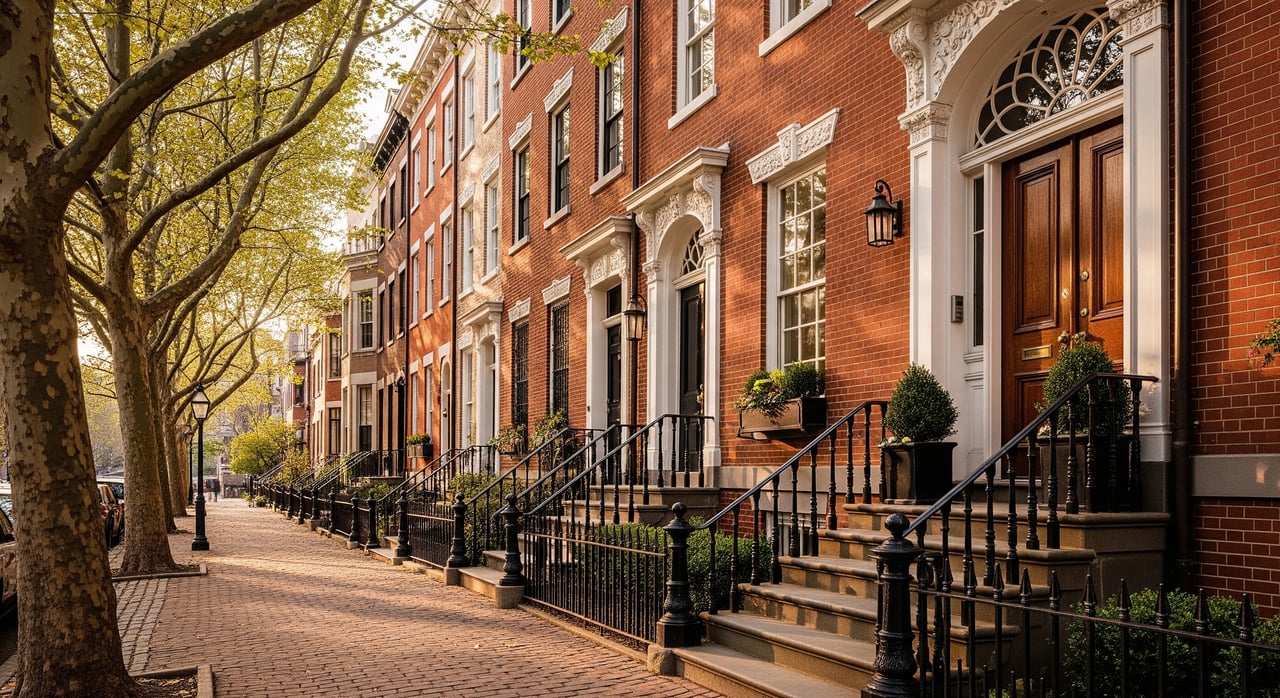
If Georgetown’s brick lanes feel like a living museum, you’re not imagining it. The neighborhood blends centuries of architecture with a lively, walkable setting that still feels intimate. If you’re weighing a purchase or planning a sale here, style is more than a look. It affects light, space, maintenance, and even permits. This guide breaks down the signature styles you see on every block and what they mean for daily life, smart upgrades, and long-term value. Let’s dive in.
Why Georgetown looks the way it does
Georgetown grew from an 18th-century port town into a layered district of shops, townhouses, and institutions. Commercial streets like M Street and Wisconsin Avenue weave into quiet rows of narrow, often brick, homes. Over time, you see a progression: early Federal and Georgian houses, Victorian infill, revival styles in the early 20th century, and more recent adaptive reuse and contemporary infill. That history is visible in the rooflines, cornices, and doorways you pass every day.
Because Georgetown is a designated historic district, exterior changes that are visible from public ways are reviewed locally. Multiple bodies weigh in, including the District’s Historic Preservation Office and the neighborhood’s advisory board for Georgetown. Interior changes are less likely to be regulated unless there is a special designation. If you plan work that alters a façade, roofline, or public-facing feature, expect design review and permits.
Federal and Georgian basics
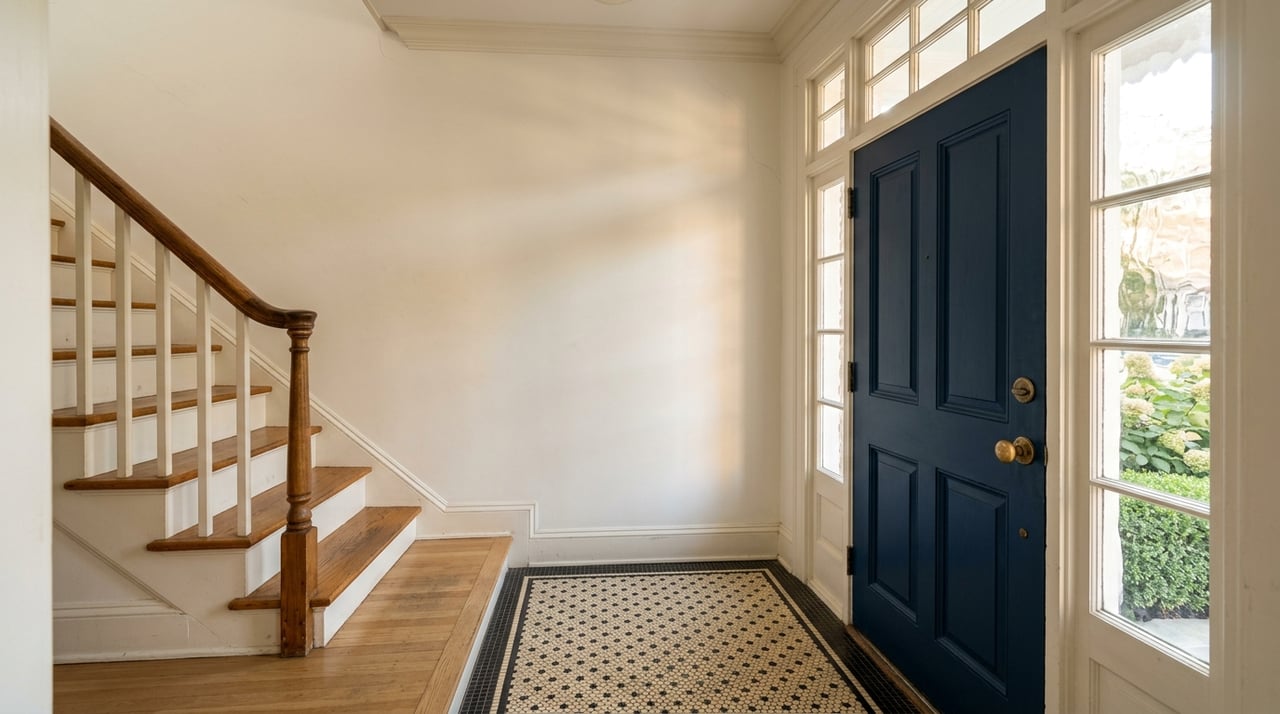
Early Georgetown homes often show strong symmetry and simple, refined detailing. Look for brick façades (often Flemish bond), a centered paneled door with a transom or fanlight, and modest classical trim.
What this means for living: these homes tend to have a shallow footprint and sometimes lower ceilings than later eras. Windows and original woodwork may be historic and worth preserving. Foundation care and moisture management are common priorities for older masonry.
Greek Revival cues
Greek Revival and related early 19th-century classics add bolder cornices, pilasters, or pediments at the entry. The effect is still restrained but with a stronger architectural frame.
In practice, you’ll want to maintain the crisp lines of masonry and door surrounds. As with Federal examples, repair-first strategies for original materials often make sense.
Victorian styles: Italianate, Second Empire, Queen Anne
Victorian architecture brought variety and ornament to Georgetown’s streets. Three common types define the era.
Italianate
Italianate façades feature bracketed cornices, tall narrow windows, and decorative window hoods. Many cornices are wood or metal.
Living and care: the decorative trim is a highlight but needs routine upkeep. Cast-iron and pressed-metal details are often repairable with specialist trades.
Second Empire
Second Empire homes are easy to spot by their slate-clad mansard roofs and dormers. The vertical emphasis adds a graceful presence on narrow lots.
Living and care: mansard roofs require specialized roofing and flashing work. If slate remains, proper maintenance can extend its life significantly.
Queen Anne and eclectic Victorian
Queen Anne examples play with asymmetry, bay windows, turrets, and mixed textures like decorative shingling.
Living and care: complex rooflines and varied materials increase maintenance needs. The irregular layouts often allow creative interior planning.
Colonial Revival era
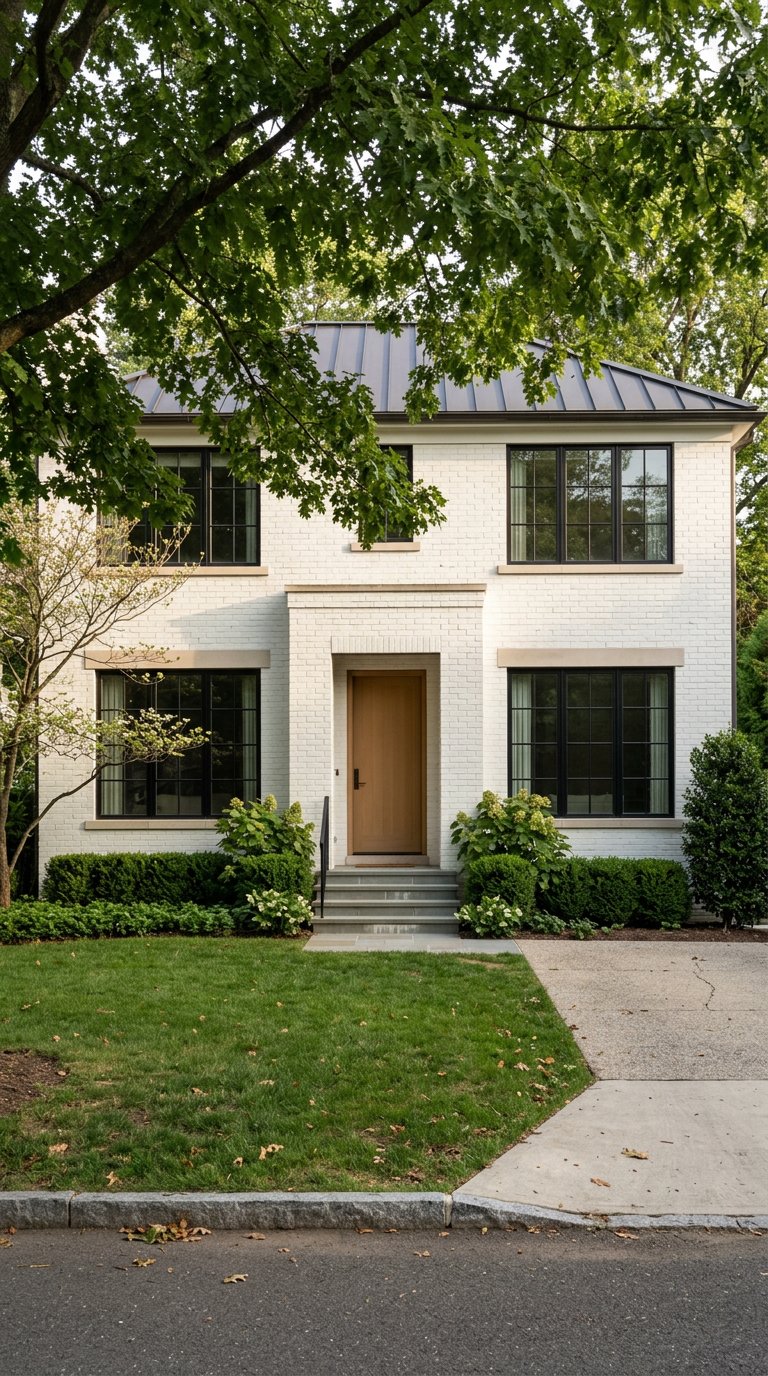
Early 20th-century revivals reinterpreted Georgian and Federal themes with symmetry, multi-pane windows, and modest detailing. You’ll see these in townhouses and small apartment buildings.
Living and care: these plans are often more adaptable to modern living than the earliest houses. Many retain period windows and trim worth repairing.
Tudor and Craftsman pockets
Scattered through the neighborhood, Tudor Revival homes have steep gables, half-timbering, and leaded casements. Craftsman-influenced buildings show exposed rafter tails and tapered porch columns.
Living and care: decorative wood trim and leaded windows are character-defining and benefit from regular maintenance. If visible from the street, replacements may invite review.
Apartments, conversions, and contemporary infill
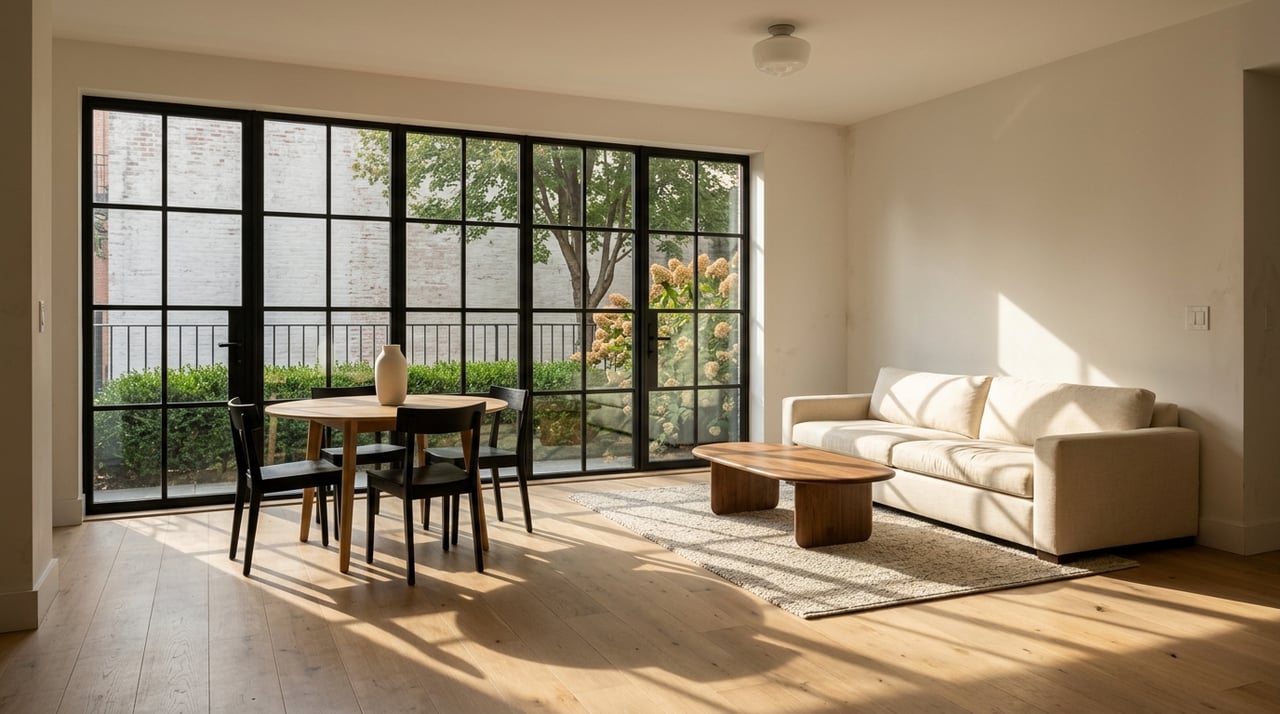
Georgetown includes 20th-century garden apartments and mid-century blocks with simple massing. You’ll also find contemporary infill that uses brick or modern materials to fit or contrast with the historic context. Along the canal and waterfront, former warehouses and commercial buildings have been adapted into condos and galleries.
Living and care: these buildings often offer larger floor plates, open plans, and modern systems. Contemporary additions can be subject to careful design review, especially if visible from public areas.
Materials to spot on a walk
- Brick in Flemish or common bond, often with stone sills and lintels.
- Slate roofing on higher-status or older roofs, composition shingles on later work.
- Copper gutters and traditional flashing details.
- Wood double-hung sash on historic rowhouses, with some leaded or casement windows in revival styles.
- Ironwork at stoops, rails, and garden fences.
How homes live day to day
- Light and plan: rowhouses on narrow lots get light mainly from the front and rear. Bays and top floors often receive the best daylight.
- Stairs and flow: most homes are vertical, with tighter stair runs that shape how you live floor to floor.
- Sound: shared party walls can transmit noise. Thoughtful insulation and finishes help.
- Outdoor space: rear yards are modest. Basement patios and discreet roof decks (where allowed) add usable space.
Maintenance must-knows
- Masonry: tuckpointing with compatible mortar is essential. Hard Portland cement on soft historic brick can cause damage.
- Roofing and flashing: slate and copper details need specialist attention. Regular inspections extend life and prevent leaks.
- Wood and metal: cornices, sashes, and iron railings require periodic painting and corrosion control.
- Basements: water management matters. Check grading, drainage, and waterproofing for English or garden basements.
Renovation moves that work
- Rear additions: a common way to add space while keeping a historic street façade intact. Visibility from alleys or public ways can still trigger review.
- Rooftop additions: sometimes possible if screened from primary views. Materials and visibility drive approvals.
- Basement finishing: good for added living area. Plan for egress, ceiling height, waterproofing, and ventilation.
- Window and energy upgrades: many historic sashes can be repaired and weatherstripped. Interior storm panels often improve comfort without altering exteriors.
- Mechanical systems: narrow cores can complicate ductwork. Ductless mini-splits and careful chases are frequent solutions.
Permits and review: what to expect
In Georgetown, exterior changes visible from the public right-of-way often require design review and permits. Early conversations with local preservation staff and the neighborhood’s advisory board help you avoid delays.
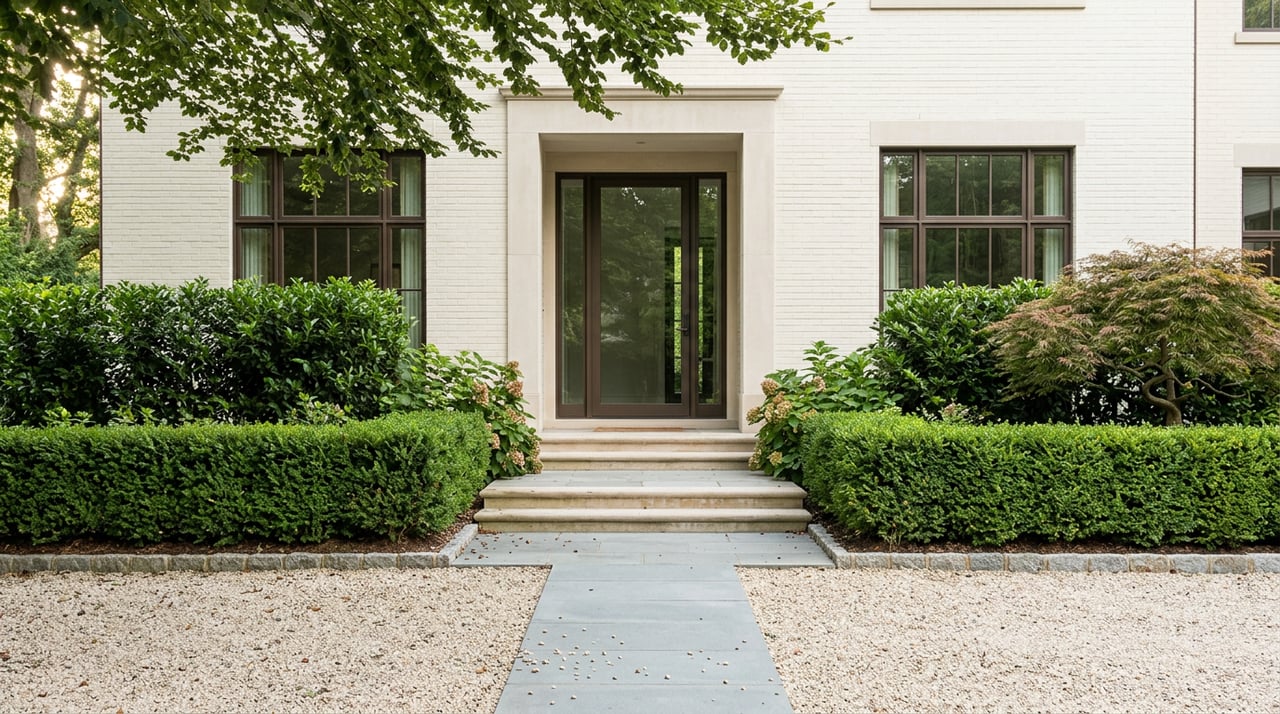
Front-yard landscaping, signage, and curb cuts can also be reviewed. If you are working on an income-producing property, ask about rehabilitation tax incentives and consult a tax professional about eligibility. For any hazardous materials like lead paint or older insulation, plan for inspections and proper remediation.
Quick style ID checklist
- Roof: mansard equals Second Empire; steep gables with half-timbering signal Tudor.
- Cornice: heavy brackets point to Italianate; a simple classical cornice often suggests Federal or Georgian.
- Windows and doors: fanlights and transoms are early Federal cues; tall narrow windows with hoods lean Victorian.
- Symmetry: strict symmetry tends to indicate Federal, Georgian, or Colonial Revival, while asymmetry suggests Queen Anne and other Victorian types.
Buyer tips
- Ask for documentation of past work and permits, especially for exterior changes.
- Inspect basements for moisture history and confirm waterproofing strategies.
- Check roof type and age. Slate and mansard assemblies merit specialist review.
- Confirm window condition and whether historic sashes were repaired or replaced.
- Understand where additions or decks may be visible, since that affects approvals.
Seller tips
- Preserve character: original doors, windows, and cornices are marketable features. Repair-first strategies are compelling to buyers.
- Document before-and-after: photos of conditions and improvements help both reviewers and buyers.
- Target updates: focus on systems, water management, and light improvements that respect the façade. Consider interior storm panels and discreet HVAC.
- Presentation matters: professional photography and clear architectural narratives elevate perceived value.
Work with a design-led advisor
In Georgetown, small details carry big weight with buyers and reviewers. You want guidance that blends market strategy with architectural judgment. With a background in architecture, exhibition design, and photography, and a proven luxury sales track record, our approach is to maximize value through thoughtful preparation, staging, and visual storytelling. If you’re planning to buy or sell in Georgetown, partner with a specialist who can read a façade, anticipate review dynamics, and present your home at its best.
Ready to talk strategy for your Georgetown home? Connect with Theo Adamstein for design-smart guidance and concierge-level representation.
FAQs
Are interior renovations regulated in Georgetown?
- Typically no, unless the interior is specifically landmarked. Exterior changes visible from public spaces are the main focus of local review.
Can I add a rooftop deck or penthouse on a Georgetown rowhouse?
- Possibly, but visibility from streets and neighboring views often guides approval, so early consultation with preservation staff is recommended.
What should I know about replacing historic windows in Georgetown?
- Many reviewers encourage repair over replacement; if replacements are visible from public ways, they may require formal review and approval.
Are English basements in Georgetown livable space?
- Yes, many are finished, but you must address egress, ceiling height, waterproofing, and ventilation to meet codes and ensure comfort.
Are there tax incentives for restoring a Georgetown property?
- Federal and local incentives mainly apply to certified rehabilitations of income-producing properties; confirm details with preservation staff and a tax advisor.