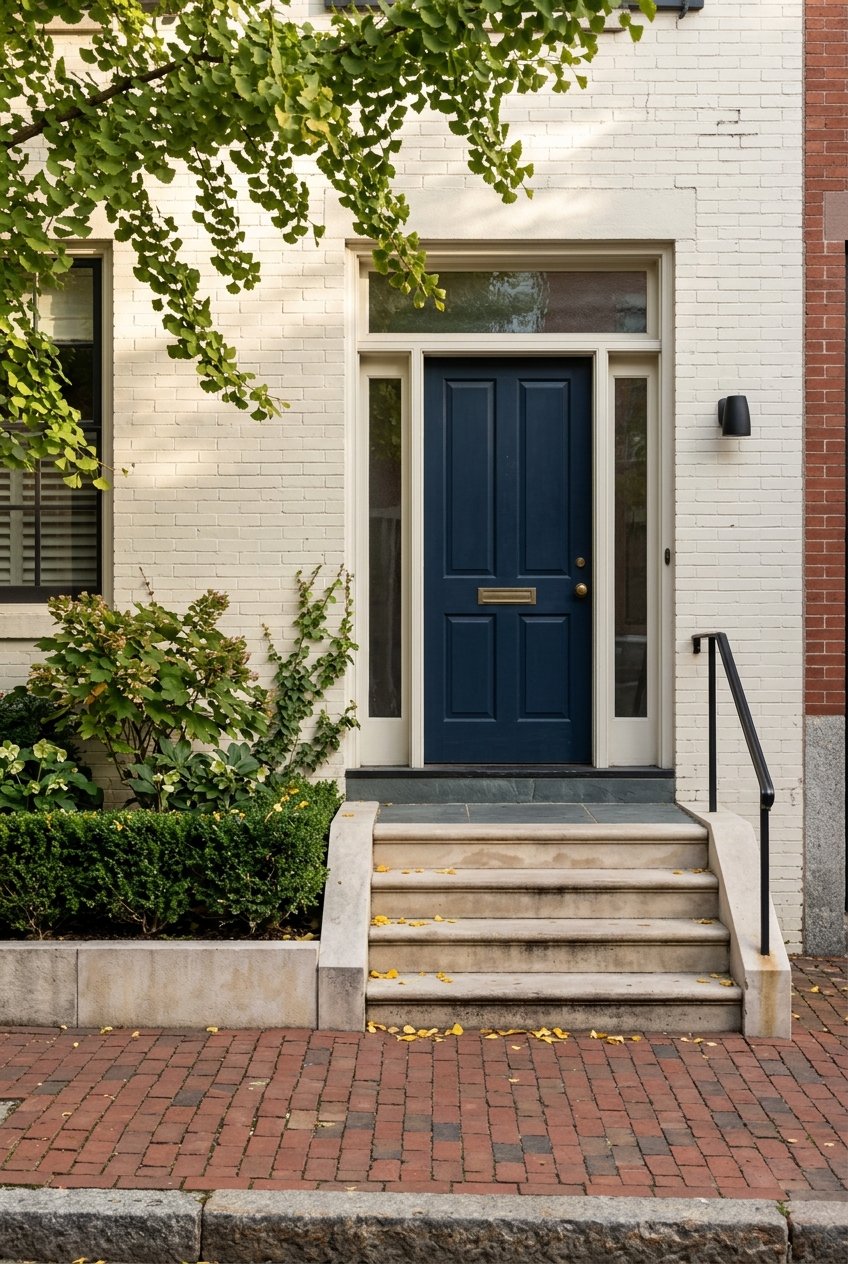
If you are drawn to neighborhoods that feel both cultured and livable, Dupont Circle makes a strong case for itself. Here, you can step from a historic rowhouse block to a museum, a farmers market, or a dinner reservation within just a few minutes. That mix of architecture, public life, and everyday convenience is what gives the neighborhood its staying power. Let’s take a closer look.
Dupont Circle at a Glance
Dupont Circle is often described as one of Washington’s most layered neighborhoods, and the facts support that reputation. According to the Dupont Circle BID, the area is home to more than 70 embassies and international organizations, along with tree-lined streets, outdoor dining, and independent shops.
That global presence exists alongside a distinctly neighborhood-scale rhythm. The BID also notes that artists, activists, creators, and change-makers have long been part of the area’s identity, which helps explain why Dupont Circle feels both established and continually energized.
Why the Circle Still Shapes Daily Life
At the center of the neighborhood is Dupont Circle park, a place that carries both historic weight and everyday relevance. The Dupont Circle BID’s park overview says the park has served as the area’s epicenter for more than 150 years.
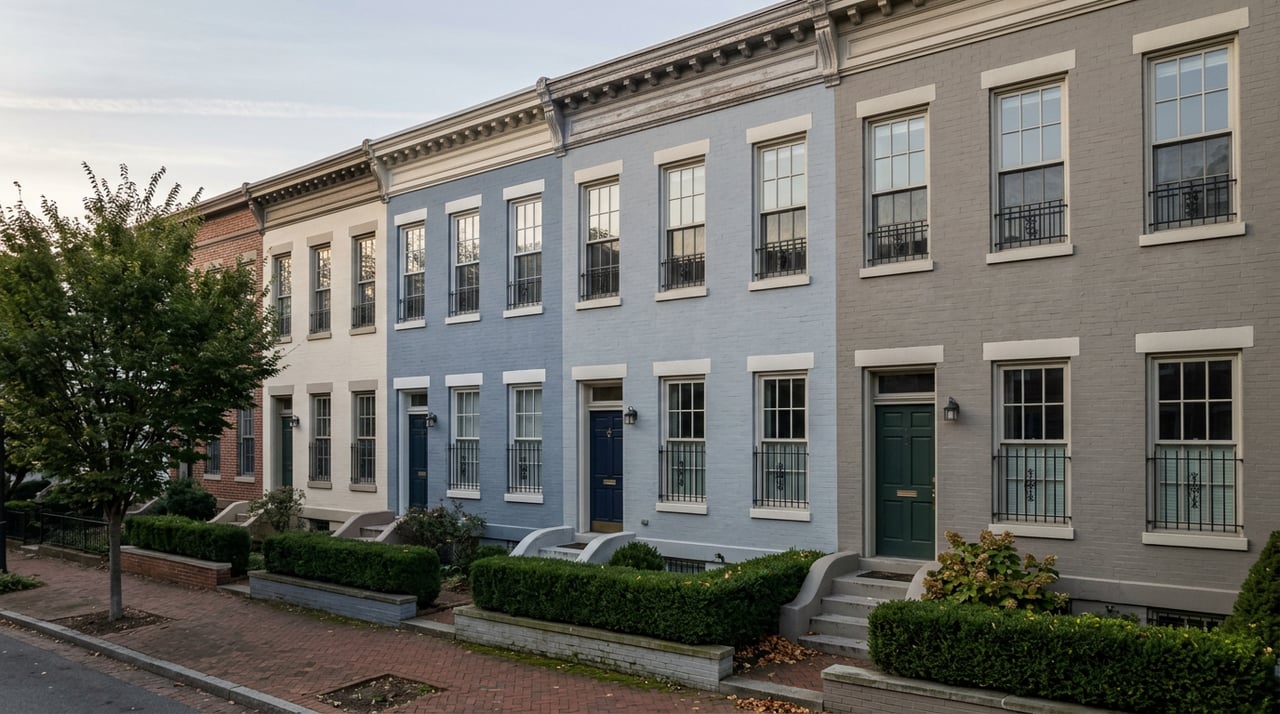
The surrounding streets tell the same story in built form. Between 1880 and 1940, the neighborhood evolved from Victorian mansions to Beaux Arts residences and Georgian Revival commercial buildings, creating the layered streetscape that still defines the area today.
For residents, that means the neighborhood does not feel like a backdrop frozen in time. It feels active, social, and highly walkable, with public space at its core.
Art Institutions Give the Neighborhood Depth
Dupont Circle is not simply near cultural destinations. It is home to some of them. The clearest example is The Phillips Collection, founded in 1921 and recognized as America’s first museum of modern art.
Located at 1600 21st Street NW, the museum occupies Duncan Phillips’s former home along with later additions. Today, its collection includes nearly 6,000 works, making it both a major institution and an example of how residential architecture and cultural life intersect in Dupont Circle.
That blend matters if you are thinking about what everyday life feels like here. In Dupont Circle, art is not tucked away in a distant district. It is woven into the residential grid.
Historic Homes as Cultural Spaces
The neighborhood’s cultural life also extends into its historic houses. The Heurich House Museum, described by the BID as the city’s best-preserved example of Richardsonian Romanesque residential architecture, shows how a historic home can remain part of contemporary public life.
Its programming connects the mansion’s history with local artisans, small businesses, and craft makers. That gives the property a living role in the neighborhood rather than treating it as a static landmark.
For anyone interested in architecture, this is part of Dupont Circle’s appeal. Historic buildings here are not only admired from the sidewalk. Many continue to shape how people gather, learn, and spend time.
Public Events Keep Culture Accessible
Another strength of Dupont Circle is that its arts scene is not limited to formal institutions. The neighborhood offers recurring public events that make culture easy to access as part of a normal week.
The BID’s First Friday Art Walk takes place on the first Friday of each month from 6:00 to 8:00 p.m. and includes a free self-guided route through galleries, museums, embassies, and cultural centers. The BID also lists Music in the Circle, a free concert series held in Dupont Circle park on select Saturdays in July.
These events help explain why the neighborhood feels active without feeling overly programmed. There is a steady rhythm of things to do, but much of it still feels local, walkable, and easy to fold into your routine.
Everyday Convenience Is Part of the Appeal
For all of its cultural credentials, Dupont Circle is equally defined by how easy it is to live here day to day. One of the best examples is the Dupont Circle FRESHFARM Market, a year-round Sunday market open from 8:30 a.m. to 1:30 p.m. at 1600 20th Street NW.
During peak season, the market features more than 80 farmers and producers selling produce, meats, cheeses, baked goods, coffee, prepared foods, flowers, and household staples. It is the kind of amenity that turns a neighborhood from interesting to genuinely convenient.
The larger mix of uses reinforces that convenience. The Dupont Circle BID says more than 25,000 people live in and around the neighborhood, supported by more than 110 restaurants, 130 services, 40 shops, and 70 embassies.
That density creates a highly functional urban routine. Coffee, errands, dining, and cultural stops can all happen within a relatively compact area, which is a major part of the neighborhood’s appeal.
Transit Supports a Walkable Lifestyle
Walkability in Dupont Circle is not just about short blocks and active streets. It is also supported by transit and micromobility. According to the BID, the neighborhood has five Capital Bikeshare stations, a busy Red Line Metro station, and several bus corridors connecting it to Georgetown, Logan Circle, the White House, U Street, and the Lincoln Memorial.
For buyers considering day-to-day livability, this matters. Easy movement expands the practical reach of the neighborhood while still allowing Dupont Circle itself to remain the center of gravity.
Architecture Is Central to Dupont’s Identity
Dupont Circle’s housing stock is a major reason the neighborhood feels so distinct. The DC Inventory of Historic Sites describes the Dupont Circle Historic District as one of the District’s most significant historic residential neighborhoods.
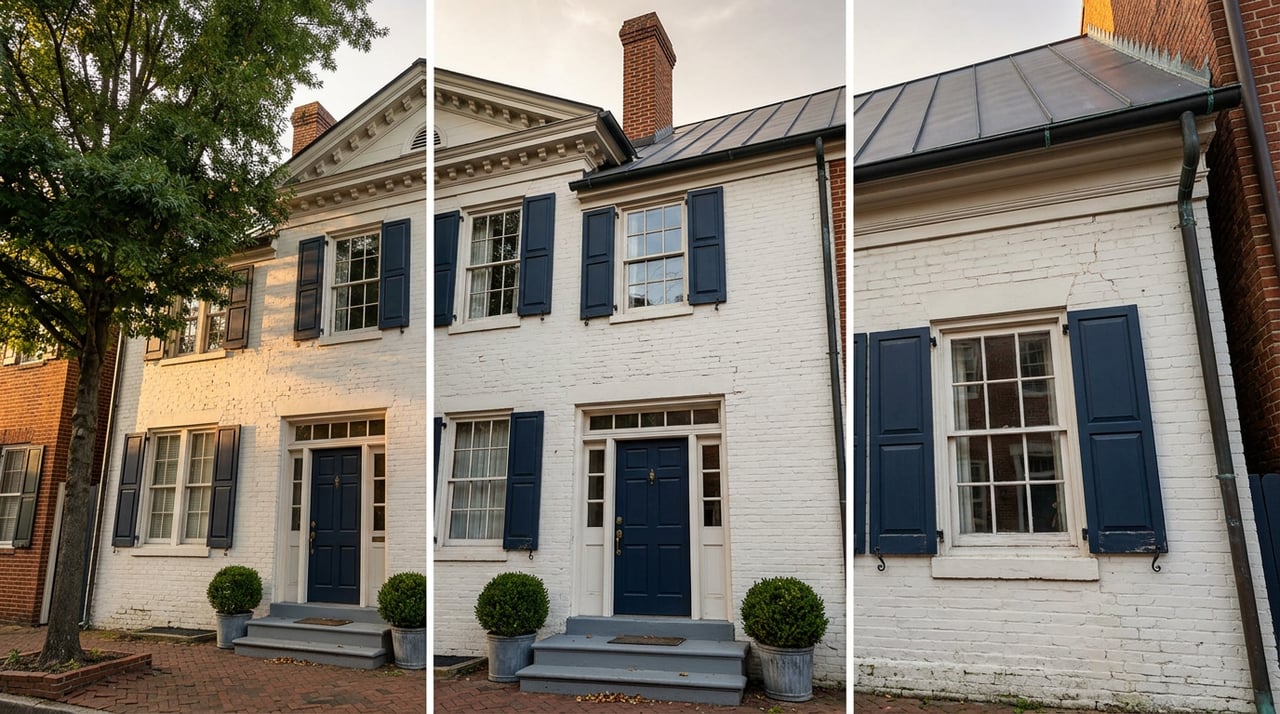
Its building stock includes Victorian rowhouses, turn-of-the-century mansions, early apartment buildings, 1920s commercial buildings, modest dwellings, stables, and carriage houses, with about 3,100 buildings dating from roughly 1875 to 1931. That range is a big part of why the neighborhood feels visually rich rather than uniform.
The nearby Massachusetts Avenue Historic District adds another architectural layer. The DC Inventory describes it as a boulevard of grand mansions, row houses, and embassies, with roughly 150 buildings dating from about 1880 to 1940.
For anyone drawn to architectural character, Dupont Circle offers depth at nearly every scale, from apartment living to substantial historic residences.
Old Buildings, New Uses
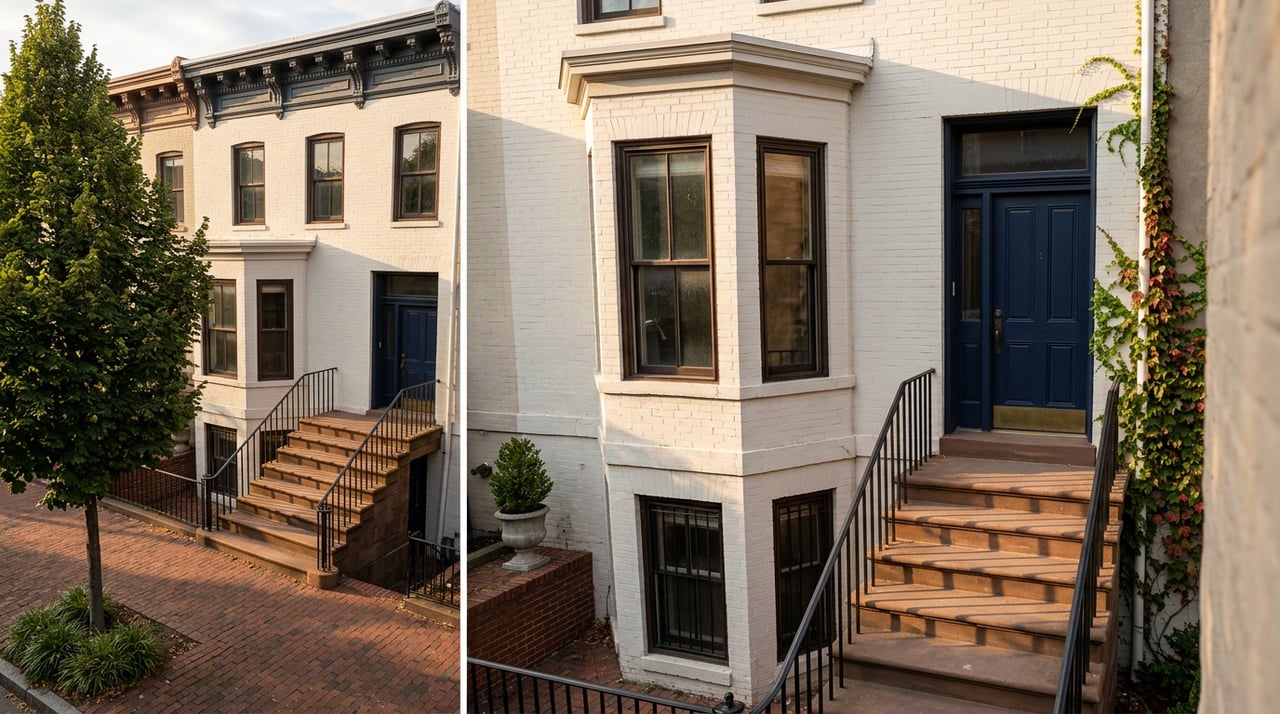
One of the most compelling parts of Dupont Circle is how often historic structures are adapted rather than replaced. The neighborhood continues to evolve through reuse, conversion, and careful reinvention.
The Phillips Collection is one visible example, with a former private residence transformed into a major public institution. Historic preservation cases in the Dupont Circle Historic District also show proposals for converting rowhouses into apartment units and for adding new condo residences within the neighborhood’s historic framework, as reflected in District preservation records.
That pattern matters in real estate terms. It means the neighborhood’s appeal is not only about preservation, but also about how thoughtfully historic fabric can support modern living.
What This Means for Buyers and Sellers
If you are buying in Dupont Circle, you are not choosing just one lifestyle category. You are choosing a neighborhood where art, architecture, transit, dining, and daily convenience overlap in a meaningful way.
That can shape how you evaluate homes here. A residence may offer value not just through square footage or finishes, but through its relationship to the street, nearby institutions, public spaces, and the broader architectural setting.
If you are selling, those same factors can influence how your home is positioned. In a neighborhood this layered, thoughtful presentation matters. Architectural details, historic context, and the experience of everyday life nearby can all help tell a stronger story.
Dupont Circle works because it is not just an arts district, a historic district, or an embassy district. It is all of those at once, with a year-round market, major cultural institutions, active public spaces, and a dense mix of homes and services woven together into one of Washington’s most enduring urban neighborhoods.
If you are considering buying or selling in Dupont Circle and want a more design-focused perspective on the neighborhood’s architecture, housing stock, and market positioning, connect with Theo Adamstein.
FAQs
What makes Dupont Circle culturally distinct in Washington, DC?
- Dupont Circle combines more than 70 embassies and international organizations with major arts institutions, recurring public events, historic architecture, and an active neighborhood-scale daily life.
What arts destinations are located in Dupont Circle?
- Dupont Circle is home to The Phillips Collection, the Heurich House Museum, and monthly events like the First Friday Art Walk, along with seasonal programming such as Music in the Circle.
What is everyday life like in Dupont Circle?
- Everyday life in Dupont Circle is shaped by a dense mix of restaurants, services, shops, transit access, and the year-round Sunday FRESHFARM market.
What types of homes are found in Dupont Circle?
- The neighborhood includes Victorian rowhouses, mansions, early apartment buildings, 1920s commercial structures, carriage houses, and newer residences created through adaptive reuse.
Why do buyers pay attention to architecture in Dupont Circle?
- Architecture is a major part of the neighborhood’s identity, and many buyers value Dupont Circle for its historic character, varied housing stock, and the way older buildings have been adapted for modern living.