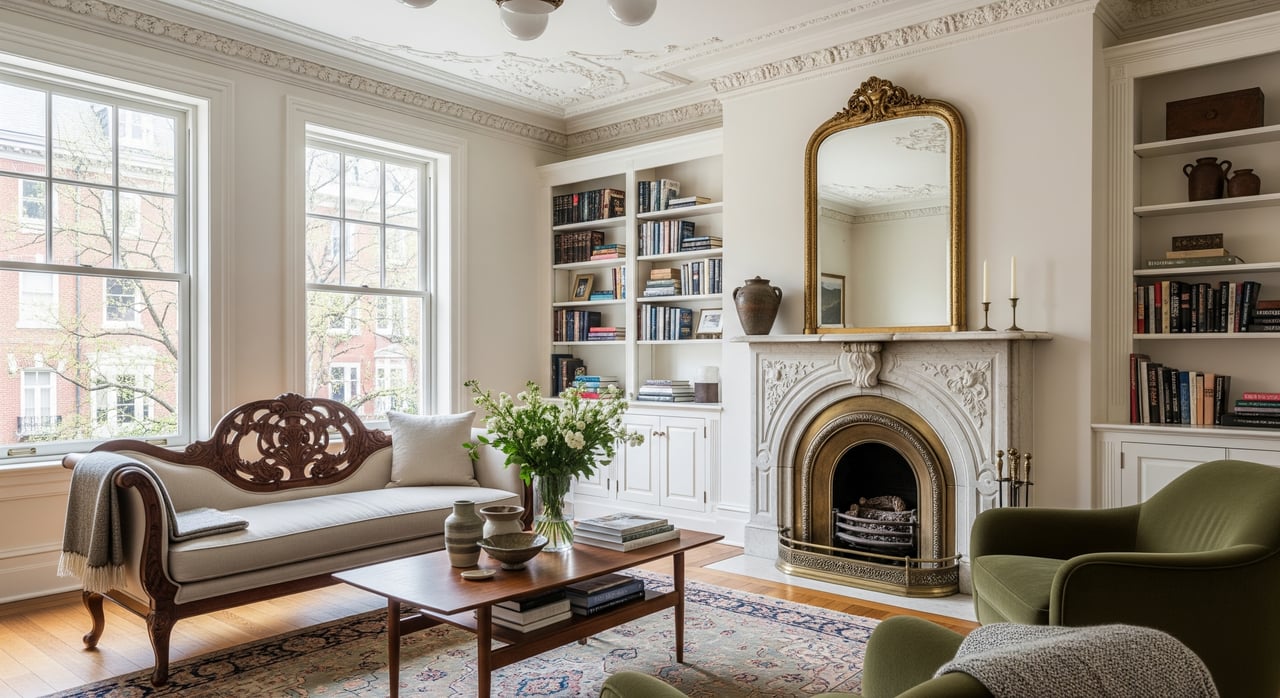
Thinking about listing your Kalorama home but worried staging will erase its soul? You are not alone. Historic properties in Sheridan‑Kalorama and Kalorama Triangle deserve a presentation that honors their architecture while showcasing modern livability. In this guide, you will learn how to stage for maximum impact, protect character‑defining features, and respect Washington, DC’s preservation practices. Let’s dive in.
Know Kalorama preservation context
Kalorama includes designated historic districts and individually landmarked homes. That status shapes what you can change. Exterior work visible from the street often requires review by the DC Historic Preservation Review Board and the Historic Preservation Office. Interior work is less commonly regulated unless a specific interior is designated.
Before you plan any exterior updates or irreversible changes, confirm your property’s status with DC HPO. If a preservation easement or individual landmark designation applies, additional legal constraints may guide color choices, window work, and hardscape adjustments. Treat staging as an overlay, not a remodel.
Core staging principles that respect history
Highlight character‑defining elements
Make original features the star. Pull seating slightly off the walls so mouldings and baseboards are visible. Keep mantels, built‑ins, staircases, and window trim unobstructed. Trim vegetation that hides the entry, door surround, or stonework. Your goal is to reveal craftsmanship, not cover it.
Get scale and proportion right
Match furnishings to each room’s volume. Intimate parlors need tailored, lighter pieces. Grand salons can carry larger seating with clean lines. Transitional furniture works well, provided it keeps sightlines open and respects ceiling height and window rhythm.
Keep the palette sympathetic
Choose a restrained color story that complements original finishes. Neutrals and historically sympathetic tones let plaster, woodwork, and stone read clearly. If you repaint, document existing colors first and choose reversible options so future owners can adjust without damage.
Layer lighting without damage
Historic homes photograph best with layered light. Aim for ambient, task, and accent light that flatters plaster and wood details. If you are not restoring a period fixture, use high‑quality plug‑in lamps and picture lights to avoid invasive wiring. Keep bulb temperatures warm and consistent for showings and photography.
Choose reversible solutions
Stage with elements that install cleanly and come out cleanly. Use rugs, slipcovers, freestanding shelves, removable window treatments, adhesive hooks, and interior storm panels. Avoid permanent millwork or built‑ins that alter original walls just to solve short‑term storage.
Balance modern comfort
Buyers expect comfort and function in kitchens, baths, and mechanical systems. Highlight discreet updates that preserve historic fabric, such as restored windows with interior storms or concealed HVAC runs. When you add cosmetic touches, make them reversible and compatible with older finishes.
Document and disclose
Keep records of any repairs or updates, including materials, contractors, permits, and approvals. Disclose landmark status, easements, and prior HPRB conditions. Transparency builds trust and helps buyers understand stewardship responsibilities.
Room‑by‑room tactics
Entry and stair halls
These spaces set the tone. Repair minor plaster cracks, polish or buff original newel posts and banisters, and keep artwork minimal. If floors are delicate, use a runner with a period‑appropriate pattern and a reversible rug pad. Ensure the stair reads clean and sculptural from the first step.
Parlors and living rooms
Center the room on the mantel, ceiling medallion, or bay window. Float seating so the architecture is visible from all angles. Use low‑profile shades or linen panels hung outside the trim so casings remain in full view. A few warm table and floor lamps will soften corners and enrich texture in photos.
Dining room
If you have original built‑ins, paneling, or a sideboard, keep them unobstructed. One appropriately scaled table with simple place settings is enough. Choose a modest centerpiece to avoid competing with wainscoting or fireplace surrounds. If the chandelier is original but dim, supplement with plug‑in picture lights on artwork.
Kitchen
Focus on spotless and functional. Clear counters, edit small appliances, and display restrained, period‑friendly accessories such as copper or wood. Consider reversible touches like new hardware that echoes early twentieth‑century profiles and peel‑and‑stick backsplash panels where they will not trap moisture or damage tile. Favor slide‑in appliances over built‑ins if you are making short‑term swaps.
Bathrooms
Clean grout, refresh caulk, and polish fixtures for a crisp look. Add a period‑appropriate mirror and new textiles for color. Mount towel bars into grout lines or with reversible anchors. Preserve original tile and tubs whenever safe and feasible, and let their patina read as quality rather than wear.
Bedrooms
Keep styling spare to show floor area and ceiling height. Use light window treatments that respect trim. If closet capacity is limited, bring in a handsome freestanding armoire rather than building into plaster walls. Layer bedding in complementary tones to the home’s woodwork.
Exterior and landscape
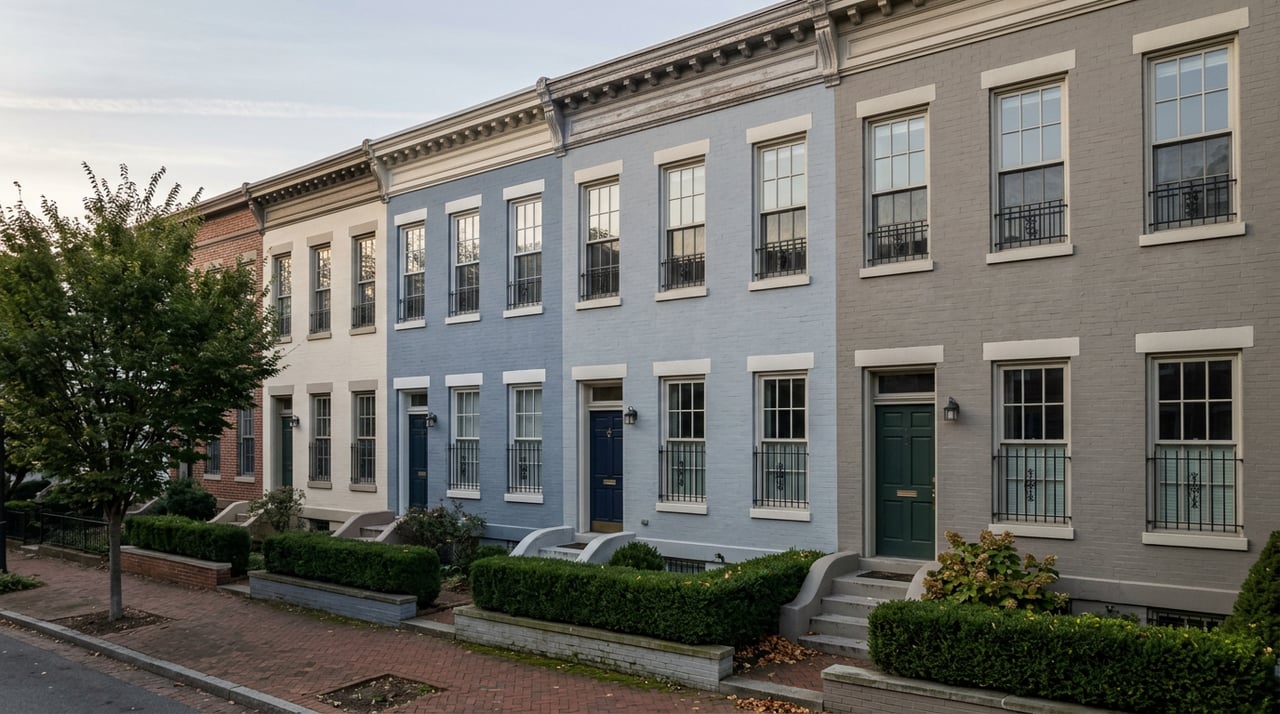
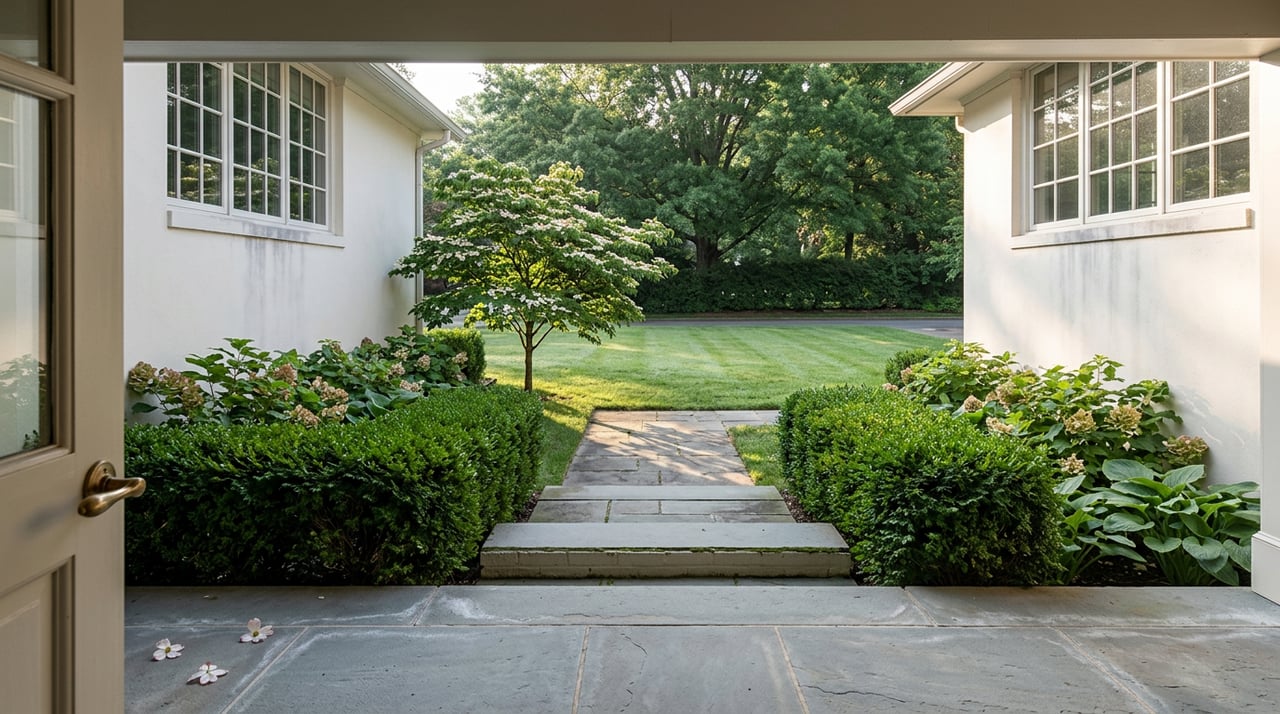
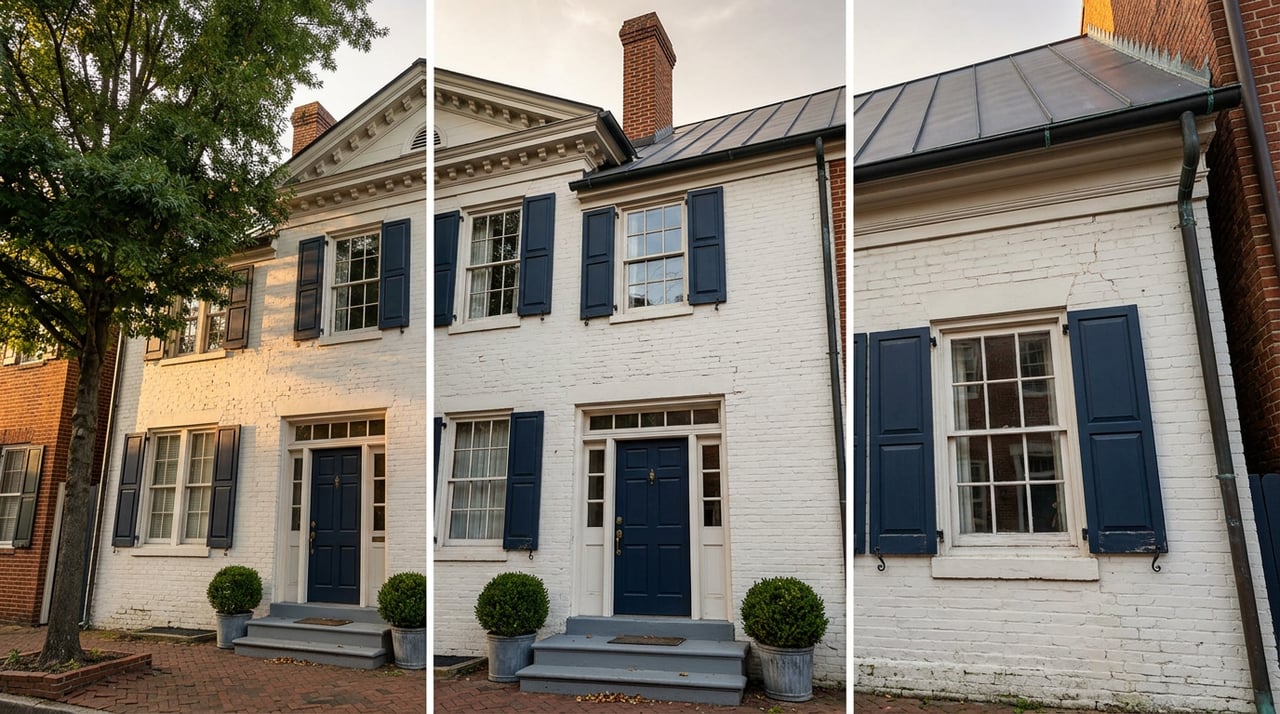
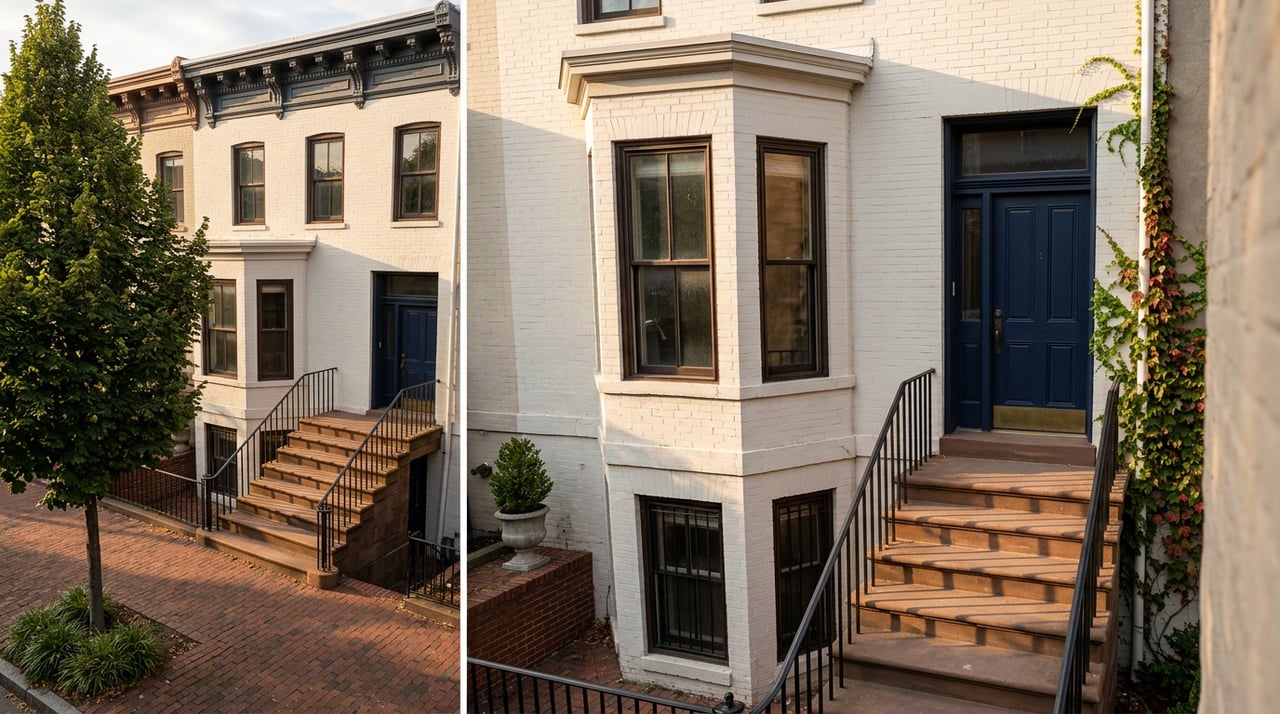
Preserve what the street sees. Avoid repainting exteriors or changing color schemes without guidance if the property is contributing or landmarked. Focus on noninvasive curb appeal: prune overgrowth, gently wash walks and steps using methods appropriate to the material, refresh the front door if allowed, and repair masonry with matching mortar. Use potted plants and removable seating to signal welcome.
Systems and accessories
Demonstrate comfort without cutting into historic fabric. Interior storm windows are a reversible energy upgrade that preserves exterior appearance. If you need supplemental cooling, place portable units discreetly. Choose surface‑mounted security and lighting solutions that do not scar plaster or trim.
Virtual staging done right
If you use virtual staging, leave mouldings, mantels, and staircases intact. Do not erase or alter character‑defining features. Note virtual staging clearly in your listing per MLS rules.
Timeline and team
Suggested timeline
- 4 to 8 weeks out: Confirm preservation status with DC HPO, outline any exterior maintenance, and consult a preservation professional if needed.
- 2 to 4 weeks out: Complete deep cleaning and minor repairs, engage a stager who understands historic fabric, and plan lighting.
- 1 week out: Capture professional photography, including daylight and twilight, and finalize disclosures.
Who to hire
- Preservation consultant or historic architect for advice when work touches original materials or the exterior.
- A stager experienced with historic properties to select appropriately scaled furnishings and textiles.
- Preservation‑minded contractors for plaster repair, masonry, woodwork, and window restoration, with documented methods and materials.
Costs and ROI expectations
Budgets vary. Simple staging may be a few thousand dollars, while full‑service staging for larger Kalorama homes may be higher. Sellers of high‑end historic homes often see faster sales and stronger pricing when historic character is presented with care. Review local comparables and work with an agent who knows Kalorama’s buyer expectations.
Disclosures to prepare
Gather landmark status documents, any preservation easements, prior approvals, and lists of reversible staging elements that will stay or go. Confirm how virtual staging is reported in your MLS.
Photo strategy for historic homes
Photography should read like a design portfolio. Ask for a photographer who understands historic interiors, knows how to balance daylight and warm lamplight, and can frame details like ceiling medallions, stair turns, and hardware. Keep styling restrained so the architecture carries each shot. Strong visuals not only attract more showings, they also educate buyers on the home’s integrity and care.
Your next step
If you want to stage your Kalorama home without losing what makes it rare, partner with an advisor who speaks both design and preservation. With an architecture and photography background, premium visual marketing, and hands‑on staging guidance, Theo Adamstein helps you present your home with precision and confidence.
FAQs
Can you paint original interior trim before listing?
- Yes, interior repainting is typically allowed. Document existing finishes first, choose sympathetic colors, and avoid changes to exterior trim without consulting DC HPO if the home is contributing or landmarked.
Should you replace original windows to boost efficiency?
- Replacement can reduce historic integrity and may require review. Consider restoration and interior storm windows instead, which preserve appearance and are reversible.
Do buyers expect period furnishings in Kalorama?
- Buyers respond well when architecture leads. Use period‑appropriate or transitional pieces that show function while keeping mouldings, mantels, and windows in view.
Are modern kitchens and baths a must to sell?
- Buyers expect function and comfort. Discreet, compatible updates that respect historic materials and are well documented typically attract more interest than trendy overhauls.
What curb appeal updates are usually safe in a historic district?
- Focus on reversible, noninvasive work such as pruning, gentle cleaning, potted plants, and minor repairs with matching materials. Seek guidance before changing exterior colors or windows.