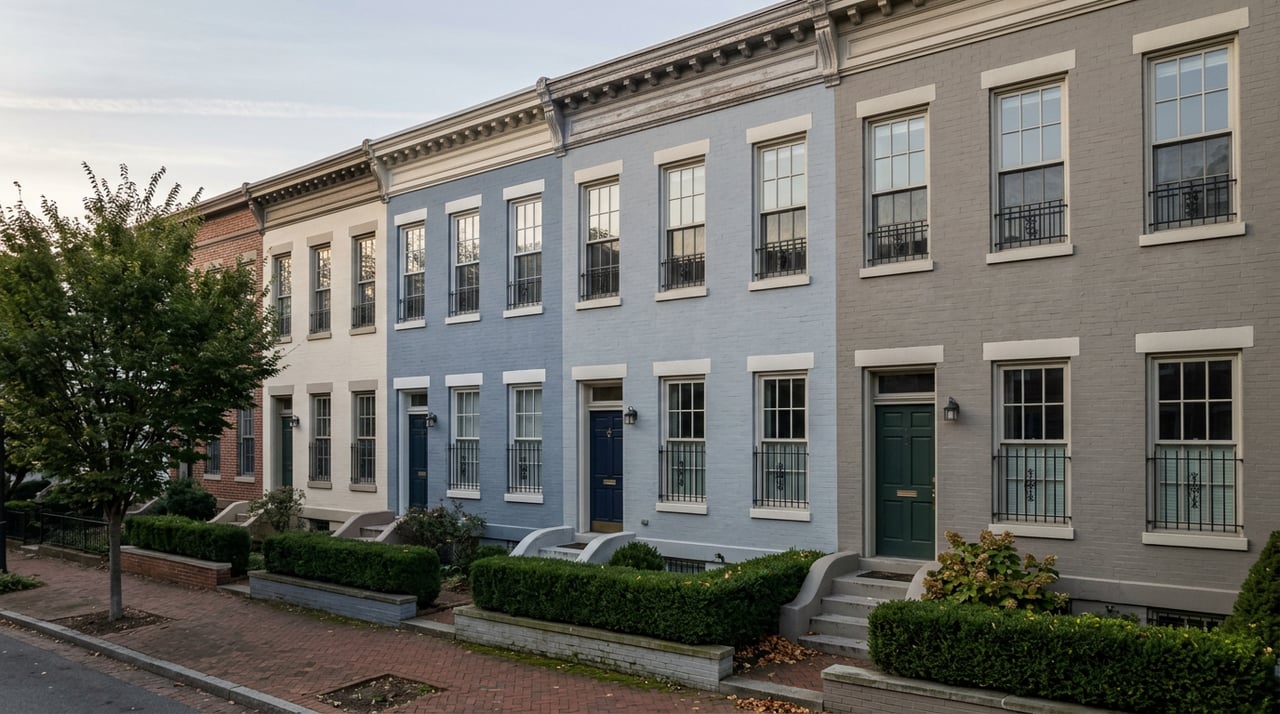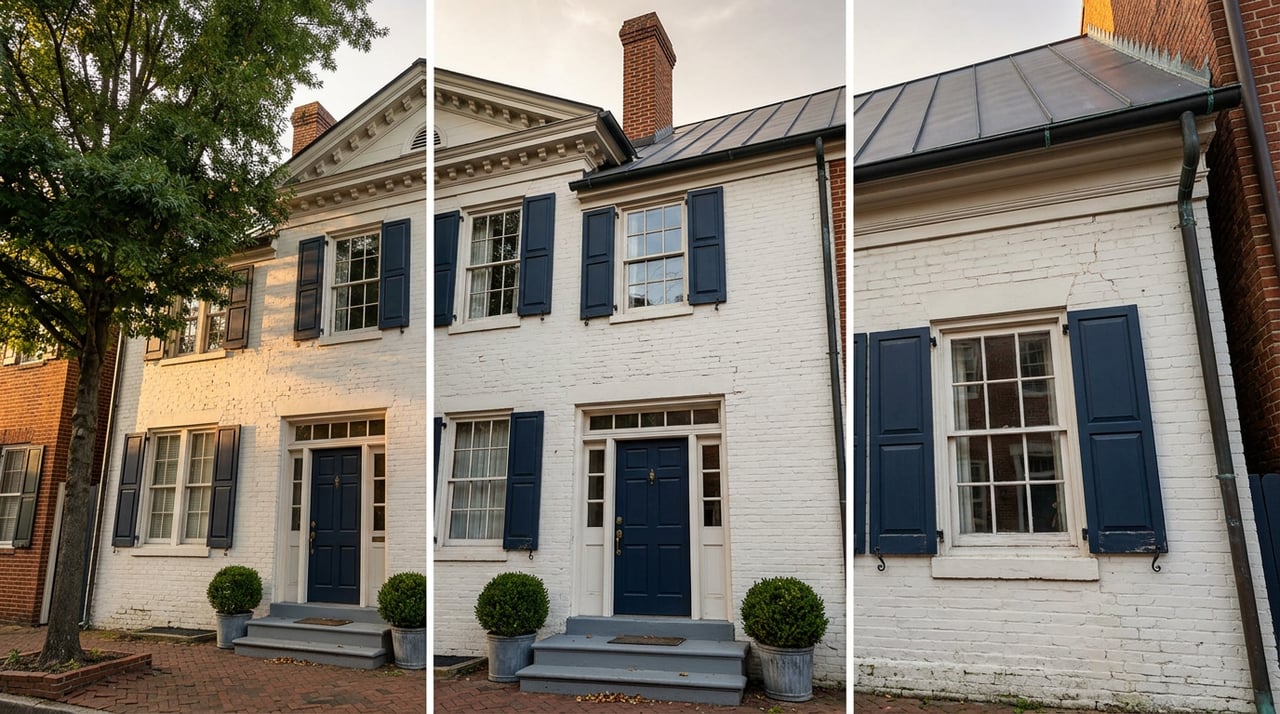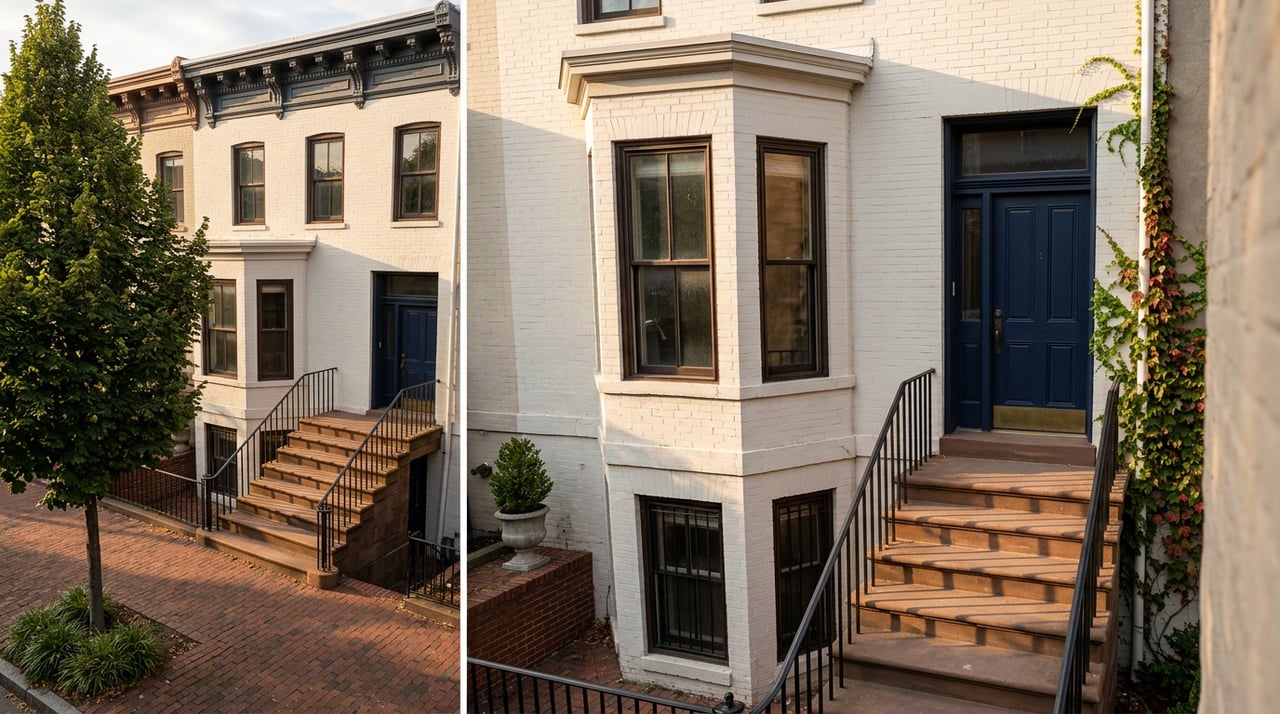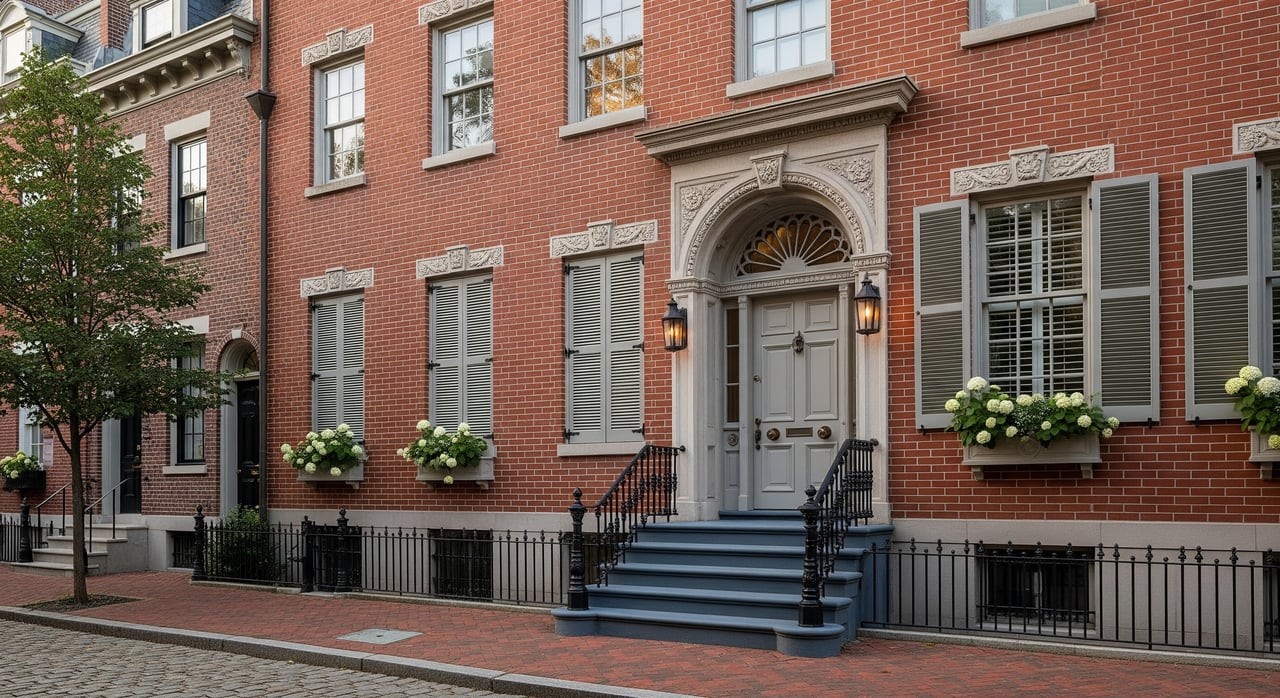
Considering a renovation in Georgetown but worried the historic rules will slow you down? You are not alone. Owning a historic rowhouse is a privilege, and it comes with a few extra steps to protect the neighborhood’s character. The good news: with a smart plan, the right team, and early outreach, you can modernize your home while honoring what makes Georgetown special. This guide breaks down the approvals, design tips, timelines, and best practices so you can move forward with confidence. Let’s dive in.
How Georgetown’s review works
Georgetown is part of a nationally recognized historic district and many homes are also locally designated. That layered status means both federal preservation standards and local reviews may apply to your project. The core principles live in the Secretary of the Interior’s Standards for Rehabilitation, which guide compatible alterations and additions.
At the local level, the DC Historic Preservation Office and Review Board oversee projects that affect designated properties. Georgetown also has the Old Georgetown Board, which advises on the neighborhood’s public-facing character and visibility from public space.
- Old Georgetown Board: Reviews exterior changes that are visible from public streets and sidewalks and advises on compatibility. Learn more from the Old Georgetown Board.
- DC Historic Preservation Office and HPRB: Determine if your property is contributing to the district and whether your scope can be approved at staff level or needs a public hearing. Start with the DC Historic Preservation Office guidance.
- DC Department of Buildings: Issues construction permits and enforces codes for structural, mechanical, electrical, and plumbing work. See the DC Department of Buildings for permits and inspections.
- District Department of Transportation: Handles any work in public space, including sidewalks, stoops, scaffolding, and curb cuts. Check DDOT public space permits.
- Advisory Neighborhood Commission: Your ANC may offer input for visible changes or larger scopes. Find your commission via Advisory Neighborhood Commissions.
What needs approval
Approvals focus on what the public can see and on character-defining features. Expect review for:
- Front facade work that changes windows, doors, ironwork, masonry finishes, or decorative elements.
- Rooftop additions, dormers, skylights, and mechanical equipment that might be visible from public space.
- Rear additions if they can be seen from streets or public alleys.
- Public space changes such as steps, railings, fences, paving, curb cuts, or on-street staging.
- Demolition or removal of notable historic features.
- Basement excavation and underpinning that affect building height or stability and may require neighbor notice.
Unpermitted work can trigger stop-work orders, fines, forced restorations, and delays in occupancy. Early coordination is always less costly than reversing completed work.
The typical path from idea to permit
Here is how most successful projects flow:
- Pre-design consult: Meet with HPO staff and, when needed, OGB staff to confirm triggers and constraints.
- Concept review: Submit drawings for exterior changes. Boards focus on massing, materials, and visibility from the street.
- Design development: Refine based on comments. Provide visibility studies, samples, and updated drawings as requested.
- Permit submission: After concept approvals, file permit sets with DOB. Include any historic approvals in your package.
- Construction: Follow permit conditions and schedule inspections. Some projects require preservation sign-offs.
Exterior design do’s and don’ts
Preservation reviewers want you to repair and retain original materials where possible. Thoughtful design choices speed approval.
- Windows: Repair is preferred on primary facades. If replacement is necessary, match profiles, muntin patterns, and materials. Historically sensitive storm windows can improve performance without changing the look.
- Brick and masonry: Use compatible mortar. Overly hard Portland cement can damage historic masonry. Repainting is often limited to surfaces that were historically painted.
- Stoops and ironwork: Keep or replicate historic pieces. New railings should be compatible in scale and material.
- Rooflines and cornices: Maintain the original roof profile and cornice detail. Set back rooftop elements and keep them out of view from public streets.
- Rear additions: Aim for subordinate massing that is not visible from public space. Visibility matters more than almost anything else.
- Mechanical equipment: Place condensers and vents in rear yards or screened locations that are not visible from the street.
For context on expectations, the Old Georgetown Board provides design guidance about materials and visibility.
Interior updates that touch the exterior
Most interior work moves faster because it often does not require historic review. There are important caveats.
- Kitchens and baths: Modernize while keeping original trim and stair geometry where feasible. Removing character-defining elements can trigger concerns.
- Systems upgrades: Plan duct routes and equipment locations that avoid major structural changes. Compact heat pump or mini-split solutions can reduce impact when permitted.
- Insulation: Masonry walls need careful moisture management. Interior insulation may be possible with the right vapor control and an understanding of wall thickness changes.
- Vents, skylights, and light wells: These can trigger exterior review if visible from public space. Plan early and study sightlines.
- Basements: Excavation and underpinning next to party walls require engineering, inspections, and coordination with neighbors.
Realistic timelines
Your timeline depends on visibility, scope, and completeness of submissions. Typical ranges:
- Pre-design and feasibility: 2 to 8 weeks.
- Design development: 4 to 12 weeks.
- OGB and HPRB reviews: 4 to 24 plus weeks depending on visibility and revisions.
- DOB permit review: 6 to 12 plus weeks, faster with complete drawings.
- Construction:
- Interior-only remodel: 2 to 6 months.
- Renovation with systems and a small rear addition: 6 to 12 months.
- Major structural work or excavation: 9 to 24 plus months.
Plan for a total of 6 months for modest interior work and up to 18 to 24 plus months for complex exterior changes.
Budget and team basics
Historic projects typically cost more per square foot than non-historic work due to specialized labor, custom profiles, and additional review. Build a higher contingency, often 10 to 25 percent depending on scope and the age of the building.
Assemble a team that knows Georgetown:
- Preservation-minded architect with local board experience.
- Structural engineer versed in historic masonry and underpinning.
- General contractor with a track record in DC historic districts.
- Preservation consultant or conservator for specialty tasks like mortar or paint analysis when needed.
- Permit expediter or project manager familiar with HPO, OGB, and DOB processes.
- Legal or title advisor for party-wall agreements when excavation is planned.
Neighbor relations and public space
Georgetown’s streets are tight, and good neighbor relations matter. Communicate early if your project involves excavation, scaffolding, or staging in the street. Public space work and staging typically require DDOT permits. Review the DDOT public space process and coordinate timelines with your contractor.
Keep your ANC in the loop on visible changes. Early outreach can smooth meetings and minimize surprises. Find your representative through Advisory Neighborhood Commissions.
A buyer’s due diligence checklist
If you are purchasing a Georgetown rowhouse with renovation in mind, confirm:
- The property’s historic status and whether it contributes to the district. Start with the DC HPO resources and the National Register of Historic Places overview.
- Any open violations or unpermitted work that could complicate approvals.
- Recent permits and repair history, especially for windows, masonry, and structural work.
- Feasibility of your program, including visibility constraints, party-wall conditions, and the likely route for mechanical upgrades.
Steps to start strong
Use this simple plan to align your design vision with preservation goals:
- Clarify scope and visibility. Identify anything that could be seen from a public street or alley.
- Book a pre-application meeting. Meet HPO staff early to confirm triggers and preferences.
- Hire the right team. Choose an architect and contractor with Georgetown experience.
- Document the existing house. Prepare measured drawings, photos, and a brief conditions report.
- Lead with repair. Propose repair-first strategies for windows, masonry, and ironwork.
- Study sightlines. Prove that rooftop elements and rear additions are not visible from public space.
- Coordinate permits. Sequence OGB and HPRB reviews so your DOB package is complete.
- Communicate with neighbors. Share timelines and staging plans before work begins.
- Build contingency. Reserve time and budget for hidden conditions or extra review cycles.
Financial incentives
Federal historic rehabilitation tax credits generally apply to income-producing certified historic structures, not single-family primary residences. Local programs may change over time. Confirm eligibility with the DC Historic Preservation Office and a tax professional before assuming any incentives.
The bottom line
Renovating in Georgetown is absolutely achievable with the right approach. Focus on visibility, repair and retention of original materials, and a well-documented design that aligns with preservation standards. Engage the local boards early, keep your neighbors informed, and plan your timeline with contingencies. You will preserve the character that drew you to Georgetown while creating a home that functions beautifully for modern life.
If you want a design-savvy partner who understands both the rules and the possibilities, connect with Theo Adamstein. From renovation-minded evaluations to presentation and sale, you get experienced guidance backed by a design-led, concierge-level approach.
FAQs
What approvals are required for a Georgetown exterior renovation?
- Most visible exterior changes require Old Georgetown Board review and DC Historic Preservation Office approval, followed by permits from the DC Department of Buildings.
Do interior-only renovations in Georgetown need historic review?
- Interior work often proceeds without historic review unless it affects the exterior or a character-defining feature that triggers HPO or OGB oversight.
How long does the Georgetown review and permit process take?
- Expect 4 to 24 plus weeks for concept reviews and 6 to 12 plus weeks for DOB permitting, with total timelines varying by scope and visibility.
Can I add a rear addition to a Georgetown rowhouse?
- Rear additions are more likely to be approved if they are subordinate in scale and not visible from public streets or alleys; visibility studies help your case.
What window upgrades are acceptable on a primary facade?
- Repair is preferred; if replacement is required, match profiles, muntin patterns, and materials, and consider storm windows for performance.
What happens if work is done without approvals in Georgetown?
- You risk stop-work orders, fines, forced restoration, and delays in occupancy, which are often more costly than early coordination.