Is Arlington’s condo market hot or cooling right now? The answer depends on the season, the corridor, and a few fast-moving indicators most people overlook. If you’re planning to buy or sell, you want more than headlines. You want a clear, local read on what to expect and how to time your move.
This guide breaks down Arlington’s seasonal pattern, the submarkets that behave differently, and the five signals that reveal momentum before prices do. You’ll also get practical checklists tailored to condos, where HOA documents, reserves, and lending rules can shape timelines as much as demand. Let’s dive in.
Arlington’s seasonal rhythm
Arlington’s condo market follows a pattern that repeats most years. It reflects commuter habits, Metro access, and the way buyers plan moves around work and life. Here’s how the year typically unfolds.
Spring: market peak
March through June brings the most new listings and the most showings. Well-priced homes in the Rosslyn–Ballston corridor and National Landing often move quickly, and multiple offers are most common in this window. Sale-to-list ratios tend to be strongest, and days on market can be brief. If you want maximum exposure and faster decisions, spring favors sellers.
How to use it:
- Sellers: prepare early, price with intent, and launch with best-in-class visual presentation to capture early momentum.
- Buyers: expect competition on standouts. Arrive pre-approved and ready to move quickly.
Summer: steady but selective
July and August stay active, but the pace can soften a touch. Inventory may remain elevated, which gives buyers more options. Many households time moves around the school calendar, so activity can be uneven week to week. If you are patient, you can sometimes negotiate more on terms.
How to use it:
- Sellers: if spring was crowded in your building, a summer launch can offer clearer visibility.
- Buyers: cast a wider net by building age, amenities, and HOA dues to find value.
Fall: quieter lanes
From September to November, supply starts to taper and the buyer pool narrows. For sellers, this can mean fewer competing listings and more predictable schedules. For buyers, leverage improves compared with spring, especially in buildings farther from Metro.
How to use it:
- Sellers: if convenience and lower staging pressure matter, fall can be attractive.
- Buyers: make time for thorough due diligence and negotiate based on recent DOM and price reductions.
Winter: low volume, potential value
December to February sees the fewest listings and showings. Selection is limited, but motivated sellers sometimes price to the market and accept flexible terms. Timelines can stretch as everyone navigates holidays and HOA processing.
How to use it:
- Sellers: if you list in winter, lean into premium presentation and realistic pricing.
- Buyers: watch for opportunities where days on market are rising and price reductions are common.
Submarkets that move differently
“Arlington” is not one market. How fast a condo sells, and at what premium, often depends on corridor, building age, and proximity to transit.
Rosslyn–Ballston corridor
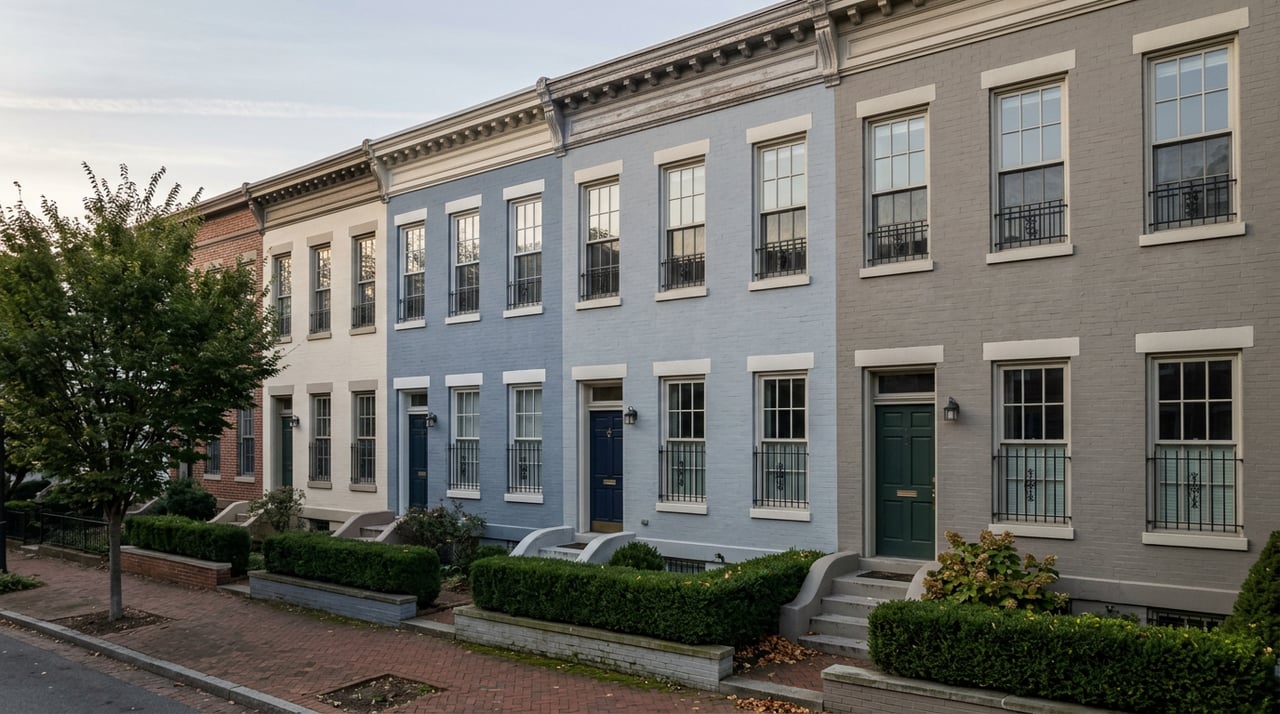
Rosslyn, Courthouse, Clarendon, Virginia Square, and Ballston blend high walkability with strong dining and retail. Mid-rise and high-rise buildings dominate. Demand is steady, and days on market are often shorter than the county average.
What to watch:
- Active inventory by building and unit size. Smaller, renovated one-bedrooms can move fastest.
- Pending-to-active ratio. When pendings rise while inventory shrinks, competition builds quickly.
National Landing: Crystal City and Pentagon City
This area features mixed-use towers, newer builds, and proximity to major employers and the airport. With large employers nearby, demand is resilient and can spike with hiring cycles. Newer amenities and larger floor plans can command higher prices per square foot.
What to watch:
- New-delivery schedules. Developer timing can add supply in spring and summer.
- HOA dues and amenity sets that differentiate towers at similar price points.
Columbia Pike and South Arlington
Older garden-style condos and more value-focused buildings are common here. Pricing is typically lower, and days on market can be longer than in Metro-adjacent corridors. Buyers often trade walkability for space and budget.
What to watch:
- Months of supply and share of price reductions. These tell you when buyers have negotiating room.
- Building-level maintenance and reserves, which can influence financing and sale timelines.
West Arlington and nearby pockets
Areas like Arlington Ridge and Aurora Highlands include select luxury or boutique buildings. Liquidity can vary because stock is limited and buildings are unique. When a standout unit arrives, it can move quickly, especially if presentation is strong.
What to watch:
- DOM trends within the specific building. Small associations can see wider swings.
- Recent capital projects and assessments that influence buyer confidence.
Read momentum with five numbers
Short-term market direction shows up first in activity metrics. Prices lag. Track these signals weekly or biweekly for the clearest read.
- Active inventory
- What it tells you: selection and immediate competition. Rising counts suggest more choice for buyers.
- How to use it: sellers monitor competing listings in your building and corridor before setting price.
- New listings vs. pendings (pending ratio)
- What it tells you: how quickly supply is being absorbed.
- How to use it: if the pending ratio rises while active listings fall, the market is heating.
- Days on market (median and distribution)
- What it tells you: speed. Shorter DOM points to stronger demand.
- How to use it: compare like-with-like by unit size, building age, and corridor.
- Months of supply
- What it tells you: balance of power. Rough guide: 0 to 3 months is a seller’s market, 3 to 6 months is balanced, over 6 months favors buyers.
- How to use it: pair with DOM to confirm direction.
- Share of price reductions
- What it tells you: seller confidence and willingness to negotiate.
- How to use it: if reductions rise and DOM stretches, buyers gain leverage.
Quick signals to act on
- Cooling signal: active inventory climbs more than 10 percent month over month and median DOM jumps more than 20 percent. Expect more room to negotiate.
- Heating signal: the pending ratio rises for two weeks while active inventory declines, and DOM slips below its recent average. Prepare for faster decisions.
Condo paperwork and timing
Condo transactions have moving parts that can speed or slow your closing regardless of season. Plan for them early.
HOA resale and estoppel packages
Ordering the resale package early prevents a rush once you are under contract. These documents outline budgets, reserves, rules, and any known issues. Depending on the association and management company, delivery can take days to weeks.
Checklist for sellers:
- Order resale and estoppel documents before launch.
- Gather recent meeting minutes, budget, and reserve studies for transparency.
- Confirm any upcoming assessments and disclose clearly.
Checklist for buyers:
- Review the resale package with your agent and lender.
- Watch rental caps, owner-occupancy ratios, and pet or renovation rules.
- Confirm fees, parking, storage, and amenity hours.
Reserves and special assessments
Healthy reserves support building upkeep and buyer confidence. Low reserves or recent assessments can dampen demand or price. Sellers should be upfront, and buyers should weigh long-term costs as part of the decision.
Financing and appraisal
Some associations face tighter lending scrutiny, especially smaller or older buildings with high investor shares or low reserves. Lenders may ask for more documentation or decline certain buildings. Buyers should verify association acceptability early.
Building-level liquidity
Unique floor plans, small associations, or large-unit-only buildings can see longer marketing times. Recent capital improvements and well-run management can offset this with stronger demand.
Strategy playbooks
If you’re selling
- Aim for spring if you want maximum exposure and shorter DOM. If convenience and fewer competing listings matter more, consider fall or winter.
- Use momentum: when months of supply sits under 3 and the pending ratio climbs, price with confidence and prepare for multiple-offer tactics.
- When inventory rises and DOM lengthens, price realistically and consider incentives like pre-inspections or closing-cost flexibility.
- Lead with presentation. High-impact photography, clear floor plans, and thoughtful staging help compress DOM in any season.
- Order condo documents early, and highlight HOA stability, recent capital projects, transit access, and in-unit upgrades.
If you’re buying
- In low-inventory, fast DOM periods, be ready with a strong pre-approval and a clean offer structure. Consider an escalation strategy if competition is intense.
- When inventory and DOM rise, take more time on inspections and negotiate on price and terms. Track sale-to-list trends building by building.
- Confirm lender acceptability for the association before writing. Request the latest budget, reserves, and minutes to understand risk.
- Match submarket to your priorities: Rosslyn–Ballston for walkability and shorter commutes, National Landing for newer towers and amenities, Columbia Pike for value and larger footprints.
Putting it together: timing scenarios
- You want to sell quickly at a premium: target a spring launch in a high-demand corridor, price to invite competition, and have all HOA documents ready so buyers can move fast.
- You want to buy with leverage: shop late summer through winter, track rising DOM and price reductions, and focus on buildings with higher months of supply.
When you tailor your approach to season, submarket, and momentum, you avoid guesswork and make cleaner decisions.
If you want a design-led plan that aligns timing, presentation, and strategy for your specific building or wish list, connect with Theo Adamstein. From staging and visual storytelling to precise market reads by corridor and building, you will get a boutique, data-aware approach backed by global reach.
FAQs
What is the best time to sell a condo in Arlington?
- Spring typically brings the most buyer activity and the shortest days on market, but if you prefer less competition and a calmer process, fall or winter can work well.
How do Rosslyn–Ballston and National Landing differ from other areas?
- These corridors near Metro and major employers often show stronger demand, shorter DOM, and higher prices per square foot than peripheral neighborhoods like Columbia Pike.
Which metrics should I watch week to week before I list?
- Track active inventory, new listings versus pendings, median DOM, months of supply, and the share of price reductions to see momentum early.
Are condos more seasonal than single-family homes in Arlington?
- Both show seasonality, but condos in commuter-heavy, transit-centric areas can see stronger spring peaks due to job cycles and buyer timing.
How early should sellers order condo resale documents?
- Start as early as possible, since delivery can take days to weeks and having a complete package helps avoid delays once you are under contract.